Request a Quote
Send us a message if you have any questions or request a quote. Our experts will give you a reply within 24 hours and help you.


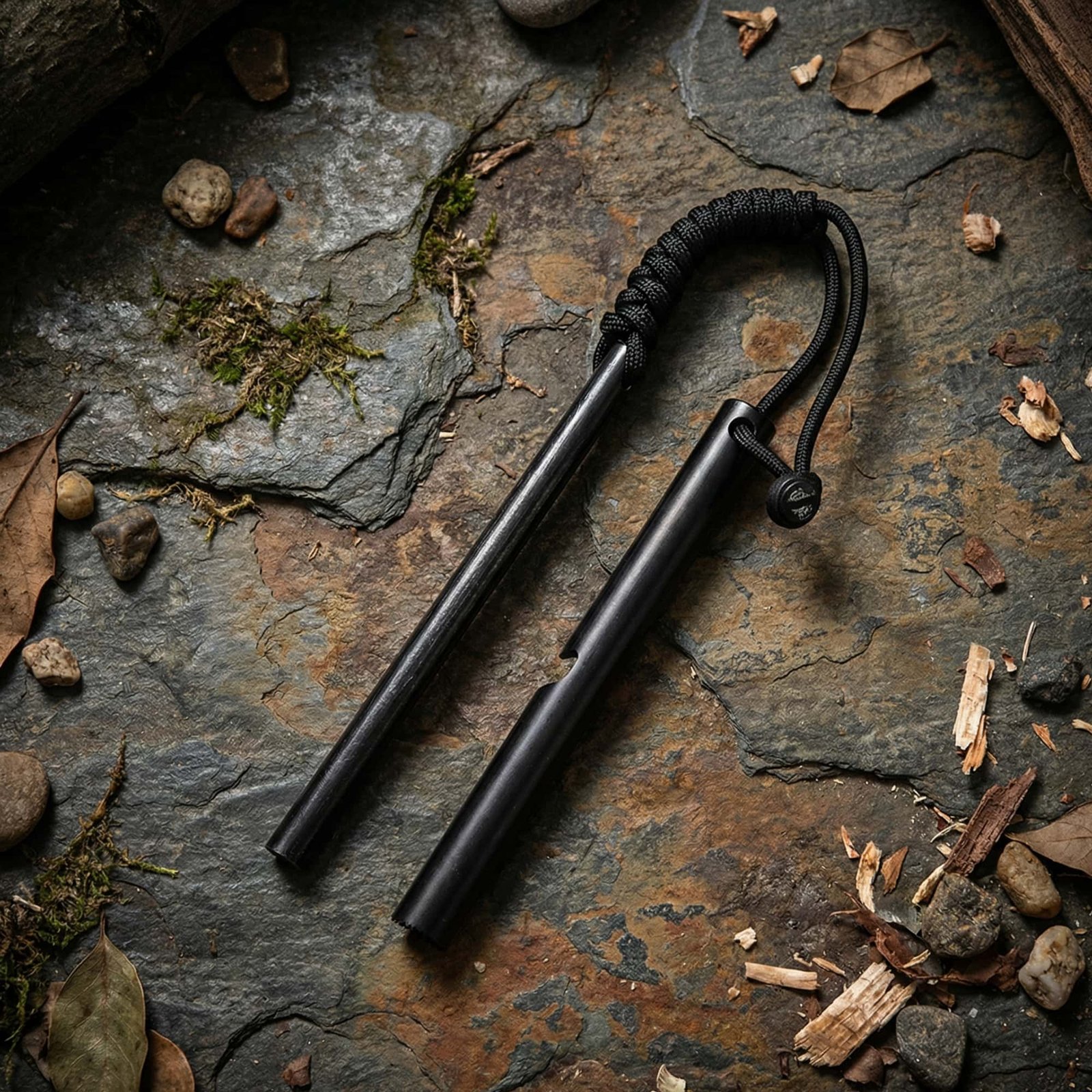
So you just got your first ferro rod. Maybe someone told you it’s the ultimate survival tool, or you saw a cool video of someone throwing massive sparks onto a pile of leaves and getting a fire going in seconds. You head out to the backyard, scraped that thing like you saw in the video, and… nothing. Just a few weak sparks that die before they hit the ground.
Sound familiar?
You are not alone. A ferro rod (short for ferrocerium rod) is one of the most reliable fire starter tools you can own. Unlike lighters, they work when wet. Unlike matches, they don’t break. But here is the thing they don’t tell you: using one correctly takes a little bit of technique. Most beginners grab their new fire starter, go at it like they are starting a lawnmower, and wonder why they are standing there hungry and cold.
I have been there. I have made the sparks fly everywhere except onto my tinder. After messing up more times than I care to admit, here are the seven most common mistakes people make when they first start using a ferro rod, and exactly how to fix them.
This is the number one issue. Watch a beginner use a ferro rod, and they usually hold the rod still while trying to “scrape” the striker down the length of it. They move slow, they push hard, and they get a tiny shower of weak sparks.
Here is the problem: a ferro rod works by shaving off tiny pieces of metal. When you scrape slowly, you are just rubbing it. You need friction, and you need speed.
How to fix it: Flip your grip. Do not hold the rod and move the striker. Instead, hold the striker steady against your tinder and pull the ferro rod back toward you. This is the trick that changes everything. By moving the rod, you keep the striker at a fixed point, which means your sparks land exactly where you want them. Plus, you can generate more speed. You want to shave that rod, not pet it.
So you are moving the rod fast. Good. But if the angle between your striker and the rod is wrong, you still won’t get sparks. If the striker is too flat against the rod, you get no shavings. If it is too perpendicular, you dig a groove and waste material.
How to fix it: Aim for about a 45-degree angle between your striker and the rod. Think of it like using a sharp knife to shave wood. You want the edge to bite into the rod just enough to peel off a thin ribbon of metal. When that ribbon hits the air, it oxidizes instantly and turns into that hot spark you are looking for.
This one gets people every time. They strike a beautiful shower of sparks, the sparks land right where they should, and then… nothing happens. The sparks hit the tinder, glow for a second, and die.
The problem is almost always the tinder. A spark from a fire starter is hot—we are talking several thousand degrees hot. But it is also tiny and lasts for less than a second. It cannot set a log on fire. It cannot even set a twig on fire. It needs something that catches instantly.
How to fix it: Have your tinder ready before you even pick up your ferro rod. And I mean really ready. You want it fluffed up, broken down, and shaped into a nest. Good options include:
Build a little bird’s nest of this stuff, make a depression in the middle, and aim your sparks right into that depression. The spark needs something fuzzy and thin to land on so it can grow into an ember.
Let’s say you got an ember going in your tinder nest. Great! Now you blow gently on it, it flames up, and you put it under your kindling. Then the kindling smokes for a minute and dies.
This usually happens because the fuel you picked is too big, too thick, or too wet. Beginners often grab sticks that look like they would work but actually have damp centers or thick bark that resists burning.
How to fix it: Think in sizes. Your tinder is ultra-fine (like hair). Your next layer needs to be slightly bigger—think pencil lead thickness. Then pencil thickness. Then thumb thickness. You have to build up slowly. Also, learn what works and what doesn’t. I have personally never had much luck using pine straw with a ferro rod. Some things just don’t catch easily. If you are in a damp area, look for dead branches that are hanging on trees (off the wet ground) and split them open to find dry wood inside.
There is this idea that you need to muscle the striker down the rod to get sparks. Beginners grip everything tight, tense up their shoulders, and scrape like they are trying to carve a statue.
Here is the truth: speed matters way more than force. You want a fast, controlled scrape, not a slow, heavy grind. When you use too much force, you actually slow yourself down and you disturb your carefully prepared tinder nest with all the movement.
How to fix it: Relax your grip. Hold the striker firmly but not in a death grip. Focus on snapping your wrist to generate speed as you pull the rod back. A fast, light scrape will throw more sparks than a slow, heavy one every single time.
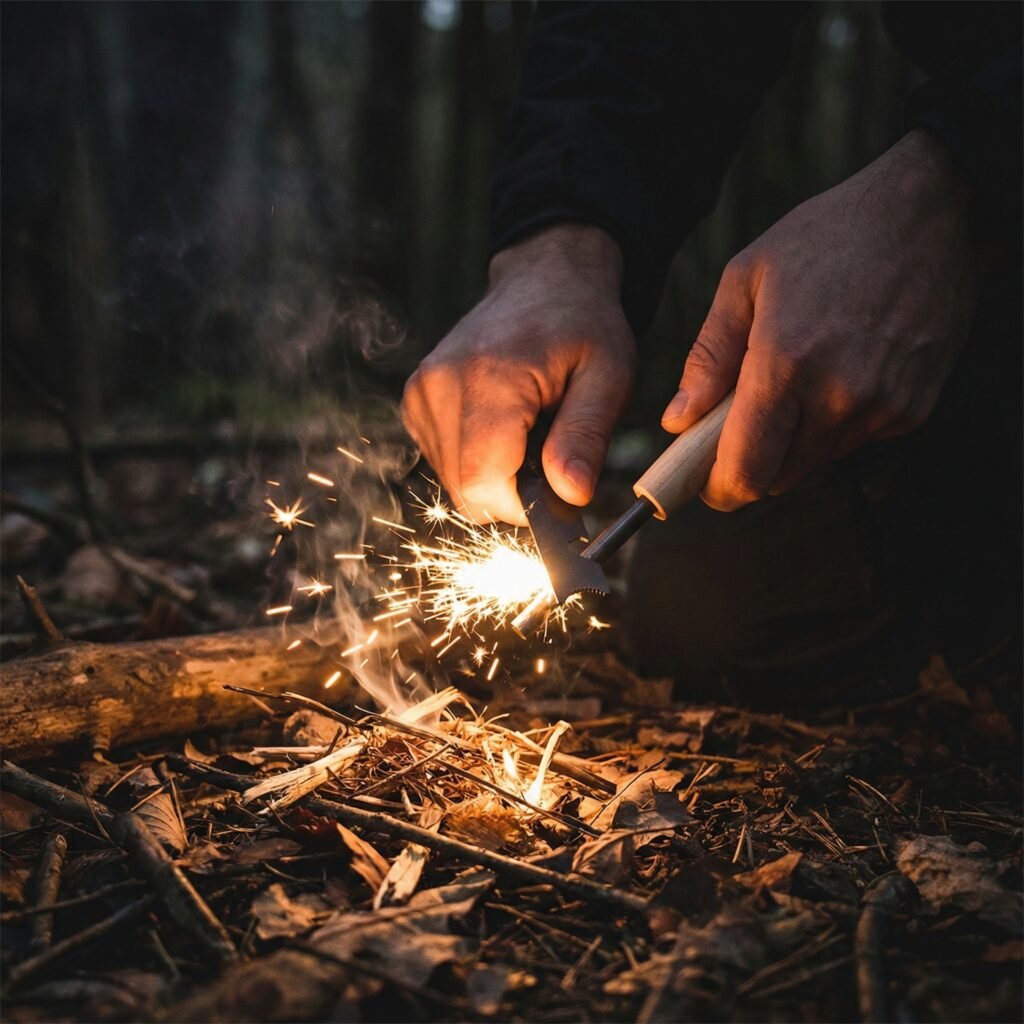
If you bought a tiny ferro rod that hangs on your keychain or zipper pull, I get it. They look cool and they are always with you. But there is a downside.
Small rods are harder to hold, harder to control, and they don’t throw as many sparks. It is simple physics—the shorter the rod, the less surface area contacts the striker, and the fewer sparks you get. For a beginner, this makes an already tricky skill even harder.
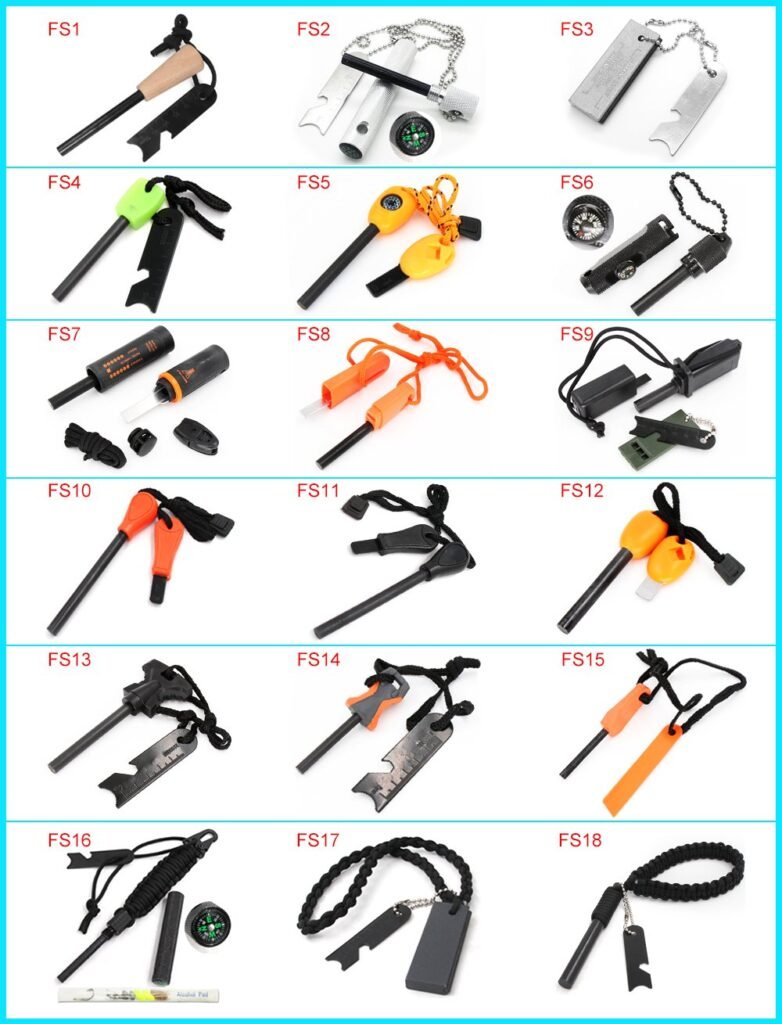
How to fix it: If you are just learning, get a bigger rod. Look for something about half an inch thick and at least four or five inches long. The extra length gives you more to hold onto, and the thicker diameter means you get a better shower of sparks with each strike. Once you master the technique on a full-size rod, then you can downsize to something more portable if you want. Learn on easy mode, not hard mode.
This is the big one. Most people buy a fire starter, throw it in their backpack or glove compartment, and forget about it. Then they go camping, it gets cold, it starts raining, and they suddenly need a fire right now. That is the worst time to figure out how your gear works.
Using a ferro rod is a skill. It takes muscle memory. You need to know how much speed to use, how to position your hands, what kind of tinder works in your local area, and how to build your fire structure so it actually catches.
How to fix it: Practice in your backyard. Do it when it is sunny and easy. Then do it when it is a little windy. Then try it with slightly damp tinder. Get different types of fuel—grass, bark, wood shavings—and learn what lights easily and what doesn’t. Spend a few weekends just making fires until it feels natural. If you can start a fire with a ferro rod in your backyard on a Tuesday afternoon, you will be able to do it in the woods on a cold night when dinner depends on it.
Look, nobody gets perfect with a ferro rod on the first try. I have burned through a lot of tinder and stood in a lot of smoke wondering why my fire wouldn’t catch. But here is the good news: it is a simple tool. It does not run out of fuel like a lighter. It does not get ruined by water. It just sits there, waiting for you to learn how to use it.
Avoid these seven mistakes, spend some time practicing, and that little rod of metal will start a fire for you in conditions that would ruin a pack of matches in seconds. It is one of the oldest tricks in the book, and once you get it down, you will never go camping without one again.
Now go grab your ferro rod, find some dryer lint, and get outside. Your fire is waiting.