Angebot anfordern
Nennen Sie uns Produkttyp, Menge, Logoanforderungen, Verpackungswünsche und Zielland. Unser Team antwortet innerhalb von 12 Stunden, um Ihre Anforderungen und das Großhandelsangebot zu besprechen.

If you are choosing a fire starter for a kit, a retail line, or your own pack, the real question is rarely “which tool looks cooler.” It is which one lights tinder when the weather turns bad, and how much skill your end user needs.
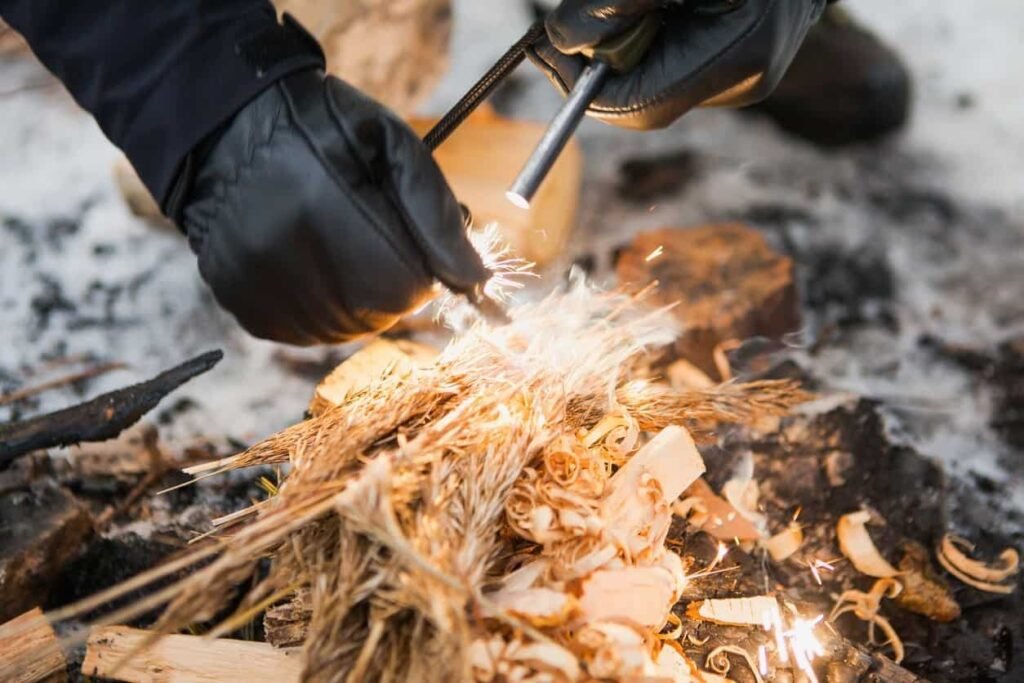
Quick answer: for most outdoor kits and wholesale buyers, a Feuerstahl (ferrocerium rod) is the more reliable pick in wet, windy, or cold conditions. Traditional flint and steel still has a place for historical kits and skill-focused bushcraft, but it asks more of the user and of the tinder. The table below shows the main differences at a glance.
| Factor | Ferro rod (ferrocerium) | Flint and steel |
|---|---|---|
| 1. What it is | Man-made ferrocerium alloy rod scraped with a hard striker | Geological flint (or flint-like rock) struck with high-carbon steel |
| 2. Spark heat | Very hot sparks, around 3,000°C / 5,430°F on Survfire Soft-Mag rods | Cooler, smaller sparks; usually need prepared tinder such as char cloth |
| 3. Wet / wind / cold | Strong all-weather option when the rod and tinder are handled well | Harder when wet; moisture and wind punish poor technique |
| 4. Skill needed | Lower learning curve; practice still helps | Higher; timing and steel edge matter |
| 5. Tinder tolerance | Works with a wider range of natural and synthetic tinders | Prefers low-ignition tinder (char cloth, charred fungus, and similar) |
| 6. Lifespan | Long service life; an 8 mm rod is commonly described as around 6,000 strikes | Flint lasts a long time; the steel striker wears and needs care |
| 7. Best fit | Survival kits, retail fire starters, brand OEM programs | Historical / primitive-skills kits and hobbyist users |
That table is the short version. The rest of this page explains each point so you can decide what to stock or private-label.
Flint and steel is the older pair. Flint is a hard sedimentary rock (microcrystalline quartz). You strike a high-carbon steel striker against it so tiny bits of steel oxidize fast enough to throw sparks. Those sparks are useful, but they are not especially hot by modern fire-starter standards. Char cloth and other prepared tinders are the usual catch.
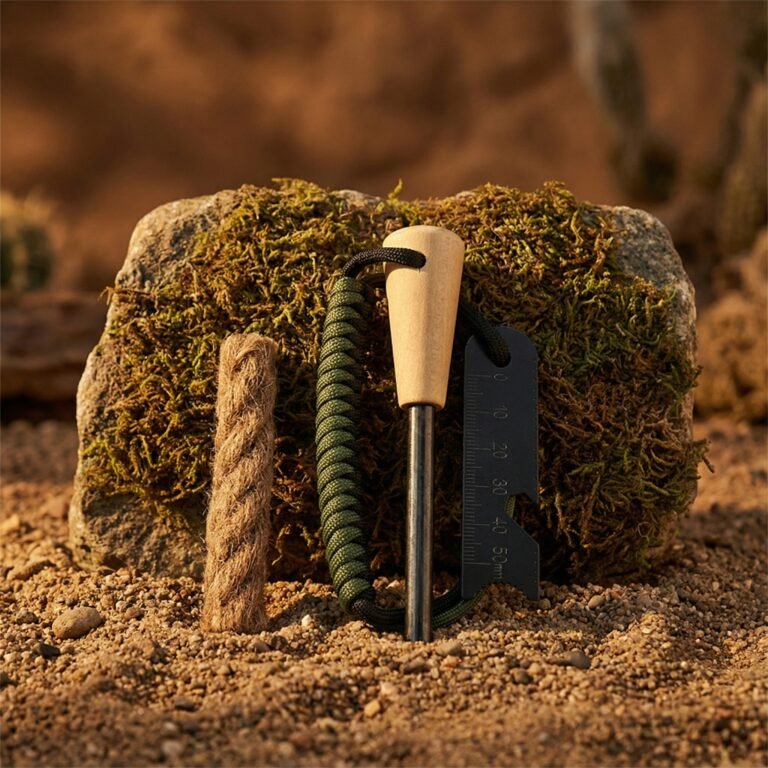
A ferro rod (also called a ferrocerium rod or, in some shops, a firesteel) is a man-made alloy of iron, cerium, lanthanum, and related metals. Scrape it with a hard edge and you get a shower of burning metal shavings. That is a different mechanism from flint and steel, even though retail copy sometimes blurs the words.
One naming trap is worth clearing early: ferrocerium is not geological flint. People say “flint” for pocket fire starters out of habit. Chemically and historically, they are not the same thing. See the FAQ below if that search brought you here.

With flint and steel, the steel is the part that sparks. The flint’s job is to bite the steel hard enough to throw those particles. Technique and a sharp striker edge matter. A loose guide is our note on how to use flint and steel if you keep that page live.
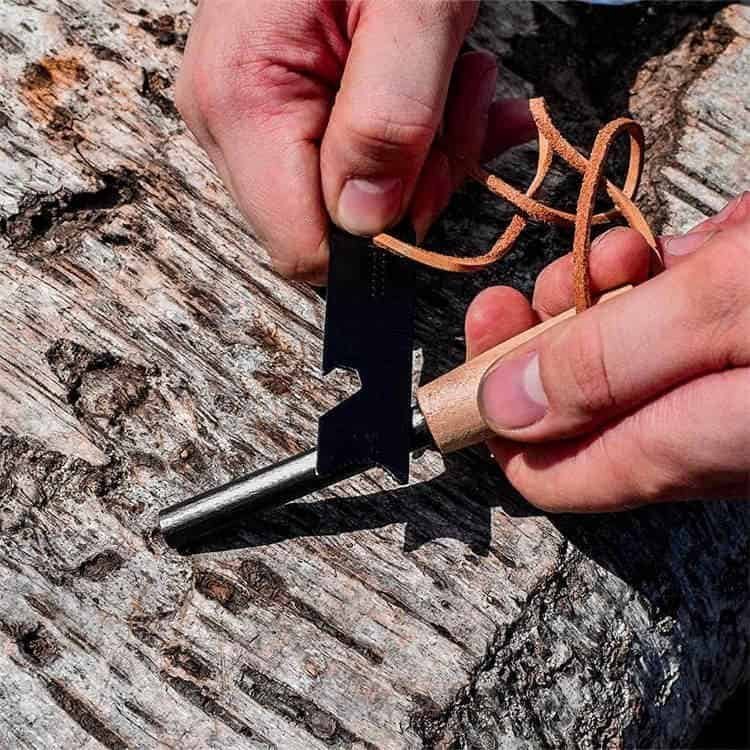
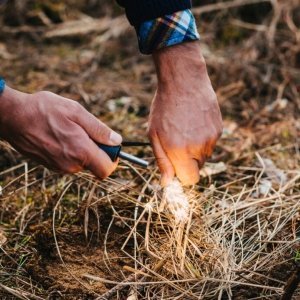
With a ferro rod, the rod itself sheds hot shavings when scraped. A dedicated striker or a 90° knife spine both work. Most buyers find this easier to teach to store staff and end users.
They are not drop-in replacements for each other. If your kit brief says “flint,” check whether customers expect a traditional rock-and-steel set or a ferro rod sold under a loose “flint” label.
Ferro rods win on heat. Survfire Soft-Mag ferrocerium rods throw sparks around 3,000°C / 5,430°F. That heat helps when tinder is imperfect or the air is cold.
Flint-and-steel sparks run cooler. They can still light a fire. They just lean harder on the right tinder and a clean technique. For a retail SKU aimed at beginners, that difference shows up in returns and bad reviews more than brand teams expect.
This is the decision point for most buyers.
Flint and steel struggle more when things are wet. Moisture on the rock, steel, or tinder makes spark catch unreliable. Wind blows weak sparks off target. Cold hands make the strike awkward. None of that means flint “never works” outdoors. It means success depends more on dry prep and skill. Do not market traditional flint and steel as an all-weather guarantee.
Ferro rods are the more reliable all-weather option for the same kit brief. The rod still needs a firm scrape and usable tinder, but the hotter spark shower gives you a wider margin. For a deeper dive on moisture specifically, see Do Ferro Rods Work When Wet?.
If your line also mixes magnesium blocks with ferro rods, we break down that pairing in Which Is Better: Ferro Rod or Magnesium?.
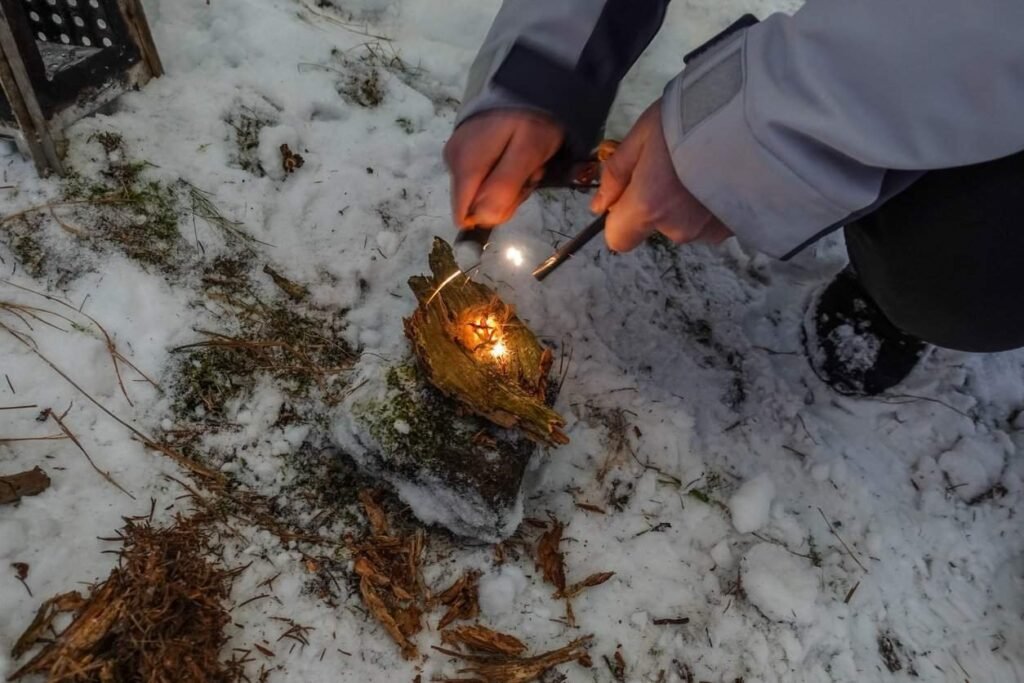
Ferro rods are friendlier for first-time users. A short practice session with cotton ball, jute, or commercial tinder is usually enough to get a flame.
Flint and steel reward practice. Some customers want that challenge. For Amazon kits and outdoor brands selling to casual campers, the ferro learning curve is usually the safer product bet. (Plain spoken aside: we still tell every buyer to test their own tinder before a big production run.)
If you sell a complete kit, match the tinder to the ignition tool. Shipping a ferro rod with only “char cloth style” marketing and no real ferro-friendly tinder is a common kit mistake.
Need a DIY angle for content or inserts? Point readers to a practical how to make a fire starter guide rather than padding this comparison.
Both tools can last a long time if they are not abused.
Flint stones themselves wear slowly. The steel striker is often the part that needs replacement or re-edging.
Ferro rods are consumable by design: each scrape removes a little alloy. Still, lifespan is long for camping use. An 8 mm rod is commonly described as around 6,000 strikes in our site profile notes. Treat that as a practical ballpark for product pages, not a lab certificate, and size the rod to the market (thicker rods for heavy users, smaller rods for ultralight kits).
Choose a ferro rod when you need:
Choose flint and steel when you need:
For most Survfire wholesale programs, ferro rods are the volume product. Flint-and-steel sets can sit beside them as a niche add-on if your brand voice calls for it.
No. Ferrocerium is a man-made alloy used in ferro rods. Flint is a natural rock used with a steel striker. Retailers sometimes call any sparking fire starter a “flint,” which confuses searchers. If someone asks for “ferrocerium vs flint,” they almost always want this distinction.
Not really. They light fires, but the strike method, spark character, and best tinders differ. Train on the tool you ship. Do not assume a customer who masters one will instantly master the other.
You want hardened high-carbon steel that can throw sparks against flint. A random soft steel shard often fails or wears out fast. Dedicated strikers exist for a reason.
Flint and steel: char cloth and similar low-ignition material. Ferro rods: a wider mix of natural scrapings and commercial tinders. Prep and dryness matter more than brand slogans.
Ferro rod, for most users. Flint and steel can work, but wet conditions raise the skill and tinder bar. See Do Ferro Rods Work When Wet?.
Flint and steel keep the traditional craft alive. Ferro rods win on spark heat, wet-weather margin, and ease of use for everyday outdoor kits.
If you stock or brand fire starters for real weather, start with a ferro rod SKU and add flint-and-steel only when the story needs it. Match tinder to the tool, and write product copy that does not promise “works great when soaking wet” for traditional flint and steel.

We manufacture ferro rods and fire starter kits for outdoor brands and wholesalers. We have been in this business for over 15 years und we have ISO 9001 certification.
Order facts (current):
Tell us your target quantity, rod size or kit style, and whether you need a laser logo. We will send a bulk quote plan within 12 hours.