Request a Quote
Send us a message if you have any questions or request a quote. Our experts will give you a reply within 24 hours and help you.

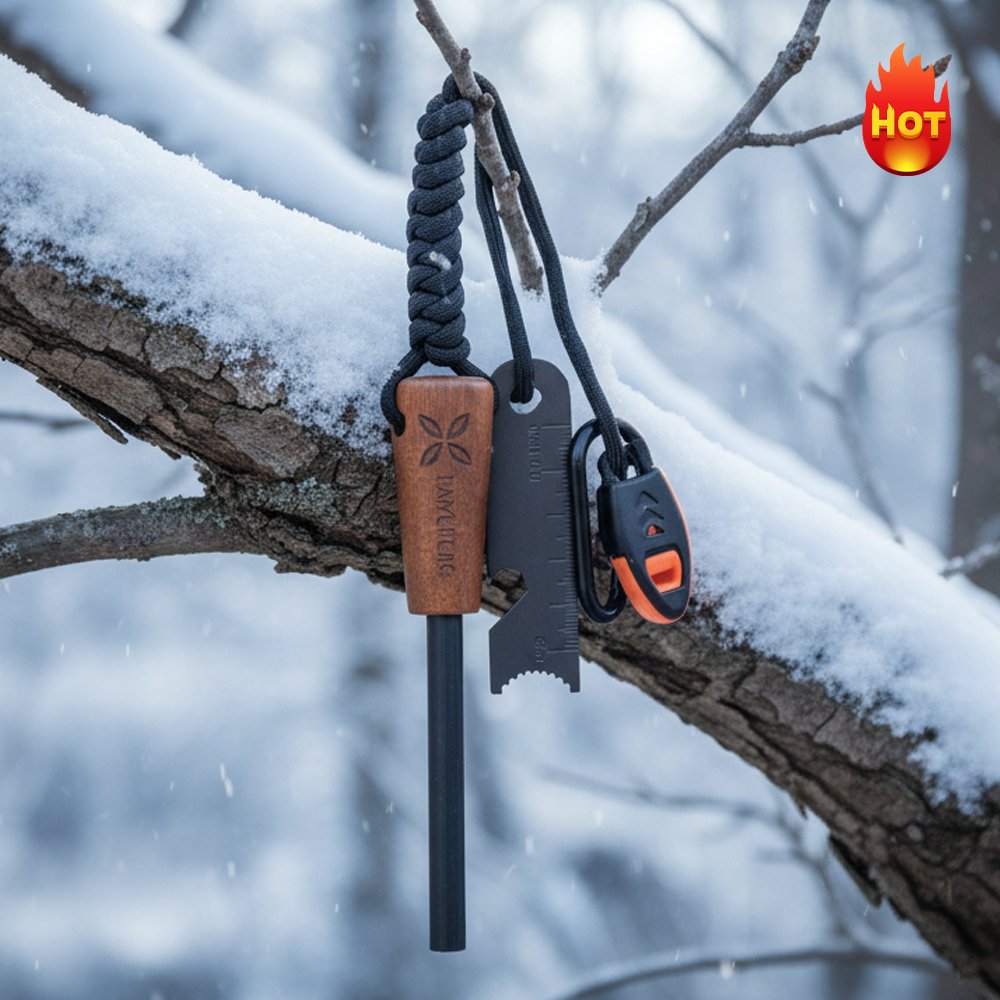
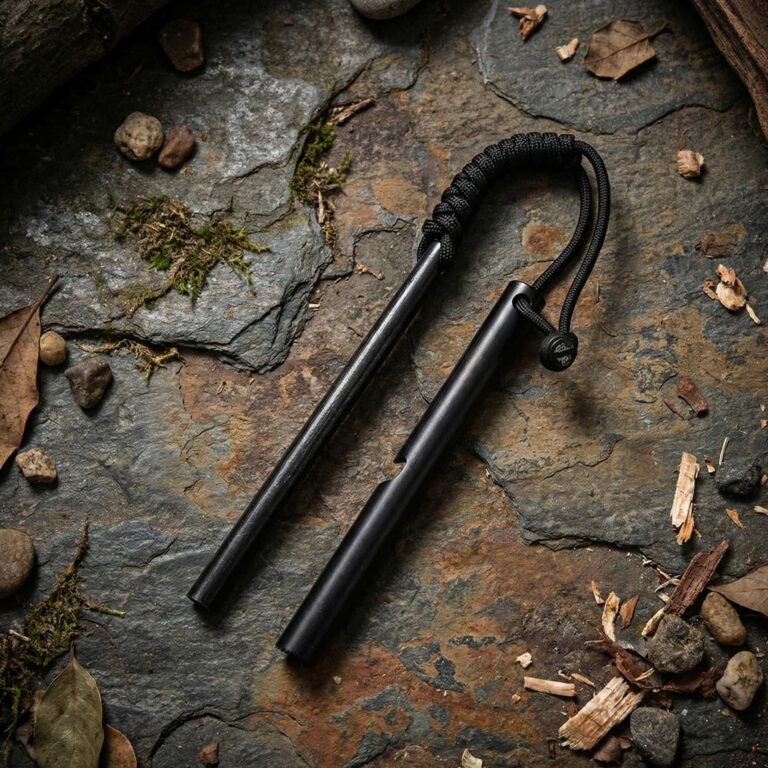
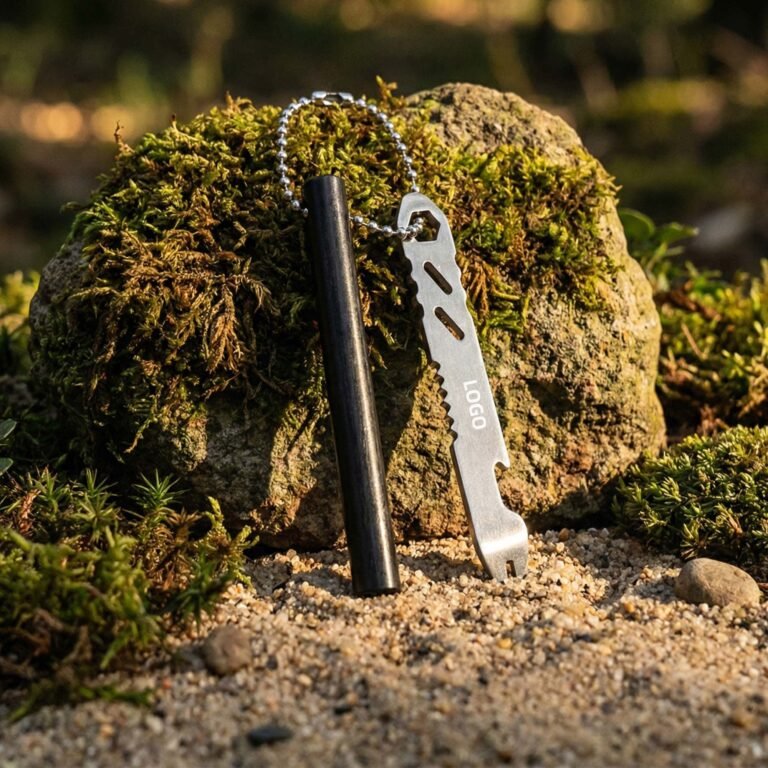
Have you ever been deep in the woods, the cold beginning to set in, and tried to light a fire with a ferro rod that just wouldn’t cooperate? You scrape and scrape, sending a sad little shower of sparks into the night that seem to flicker out before they even touch your tinder. In that moment, you start to question everything. Is the rod itself faulty? Is my tinder not dry enough? Or… could it be the striker in my hand?
We spend so much time talking about the best ferro rod itself—its size, the materials in it, the brand—and that’s important. But I’ve learned, sometimes through frustrating experience, that the piece of metal you drag across it is far from an afterthought. That striker can be the difference between a quick, confident blaze and a struggle that leaves you cold and annoyed.
So, let’s settle the debate: does your ferro rod striker actually matter? The short answer is a definitive yes. But why it matters, and how much, really depends on what you’re doing and the situation you find yourself in.
Think of your ferro rod as the fuel. It’s a special mix of metals like ferrocerium made to throw extremely hot sparks when scraped hard. But the striker is the ignition switch. Its job isn’t just to touch the rod; it’s to efficiently and reliably shave off tiny pieces of that metal, which then burst into sparks in the air.
A poor striker makes this whole process harder. It might be too smooth, so you have to press down with all your might just to get a few weak sparks. It might be an awkward shape, making your hand hurt or causing it to slip right when you need it most. In bad conditions—like when it’s cold, wet, or windy (exactly when you need a fire the most)—a bad striker can turn a reliable tool into a source of doubt and wasted energy.
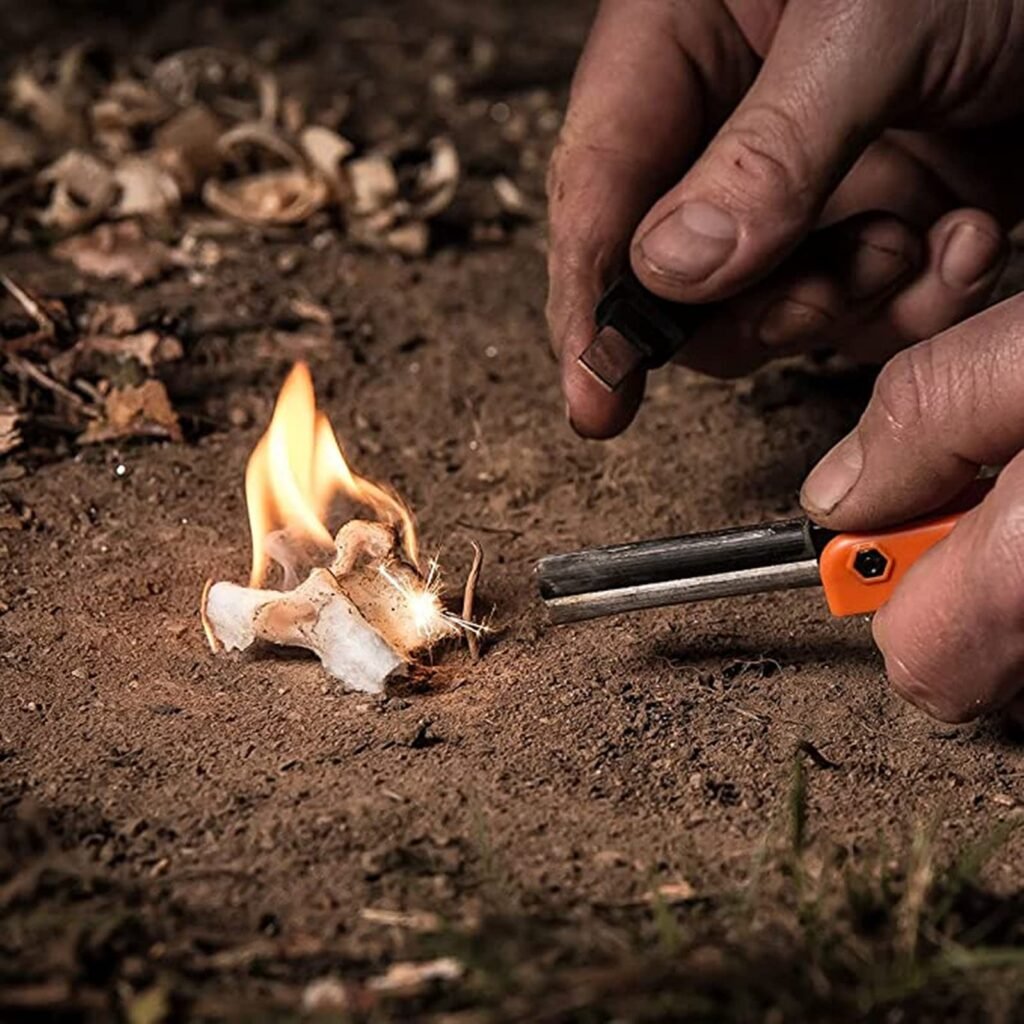
This is the big question for anyone who enjoys spending time outdoors. Most of us carry a knife, so why carry an extra piece of gear?
Using the flat, squared-off spine of a sturdy knife is a perfectly good method. A knife handle gives you great leverage, and a sharp, ninety-degree spine can create a really impressive shower of sparks. It’s the ultimate one-tool option, perfect for a minimalist approach. If you’re just practicing skills or on a short trip where you’re counting every ounce, your knife is often all you need.
However, a striker made just for this job has some really strong benefits, especially if you’re thinking about a true emergency or survival situation:
Not all strikers are the same. After trying all sorts, from expensive ones to simple homemade pieces, here’s what I look for:
The best striker in the world won’t help if your technique is off. The goal isn’t to be fast; it’s to be firm and controlled. A big mistake is making quick, short scrapes that make a lot of weak little sparks. One large, hot spark is much better than a hundred tiny ones.
Never forget, most of the challenge with a ferro rod is your tinder. Your perfect striker won’t help if your tinder isn’t ready to catch that spark. Always prepare good tinder first—things like dry grass, very fine wood shavings, or commercial tinder.
Your striker and rod need a little care to stay reliable for years.
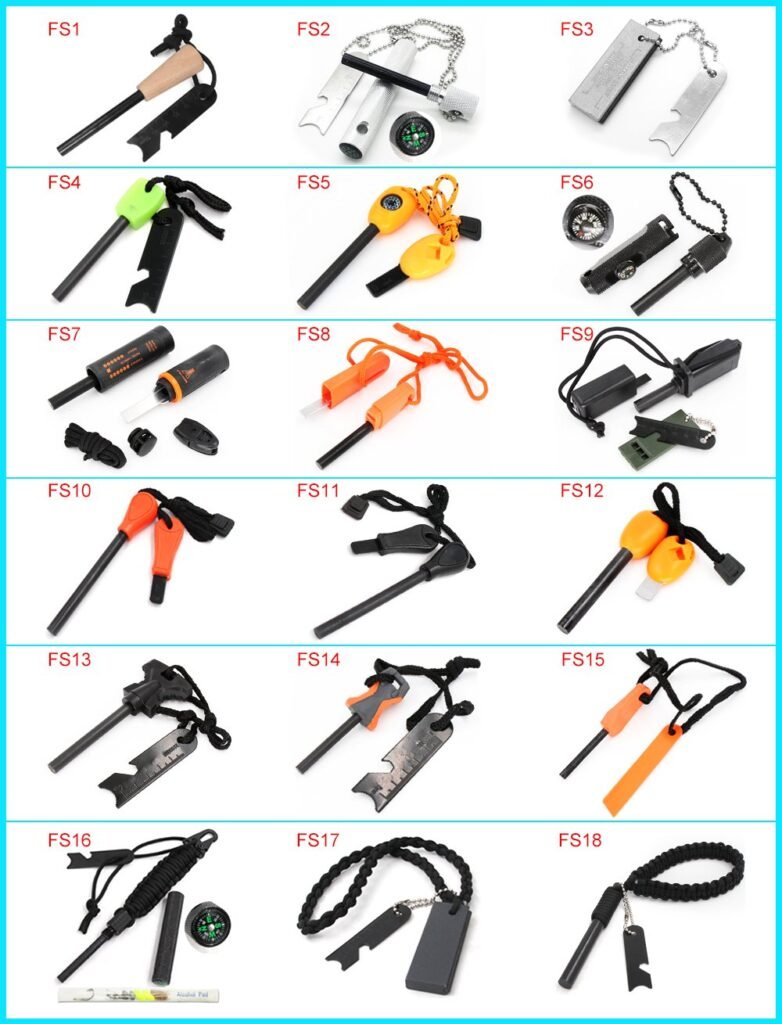
So, back to our question: does your ferro rod striker matter? Absolutely.
For a simple camping trip in nice weather, the spine of your knife is a fine tool. But the moment things get tough—the weather turns, your hands are stiff with cold, or you really need a fire for safety—a dedicated, well-made striker changes from being an extra item to a critical part of your kit.
It’s the piece that turns your effort into a reliable result. It’s the difference between hoping a fire will start and knowing that you can make one start.
My final thought is this: don’t just buy a ferro rod and ignore the little piece of metal that comes with it. Test it. Practice with it. Try it against your knife. Find the method that makes you feel confident. Because in the end, the best fire starter isn’t just the rod in your pocket; it’s the complete, practiced system in your hands and your mind. And a good striker is a key part of that system. Now, go grab your gear and practice. Your next fire might just depend on it.