Request a Quote
Send us a message if you have any questions or request a quote. Our experts will give you a reply within 24 hours and help you.


If you’ve been anywhere near the camping section of your favorite outdoor store lately, you might have noticed something interesting. Those little metal rods—the ones that look like they belong in a blacksmith’s shop—are flying off the shelves.
I first noticed it a few months back when I went to grab a new fire starter for my camping kit. The guy at the counter told me they couldn’t keep the ferro rods in stock. “People are buying them like crazy,” he said. “Way more than the lighters or matches.”
At first, I thought maybe it was just a local thing. But then I started seeing them everywhere. Online forums. Bushcraft videos. Even my neighbor—who camps maybe once a year—picked one up. So I did what anyone would do. I started asking around and digging into why this simple piece of metal has suddenly become the hot ticket item in the outdoor world.
Turns out, there’s a lot more to it than just a passing trend.
Here’s something that surprised me. The numbers back up what I was seeing in that store. The fire starter market has been shifting in a big way. In North America alone, sales of ferro rod units grew by over 15% last year. We’re talking more than 20 million units sold globally in 2023.
That’s a lot of sparks.
What’s driving it? Well, part of it is just more people getting outdoors. The National Park Service reported over 300 million recreational visits in 2023. When people head out, they need gear. And word spreads fast about what works and what doesn’t.
But here’s the thing that got my attention. That 20 million number? That’s just the reusable rods. The whole fire starter category—including lighters, matches, electric starters—sits at over 500 million units sold worldwide every year. So the ferro rod is still a small slice of the pie. But it’s the slice that’s growing fastest.
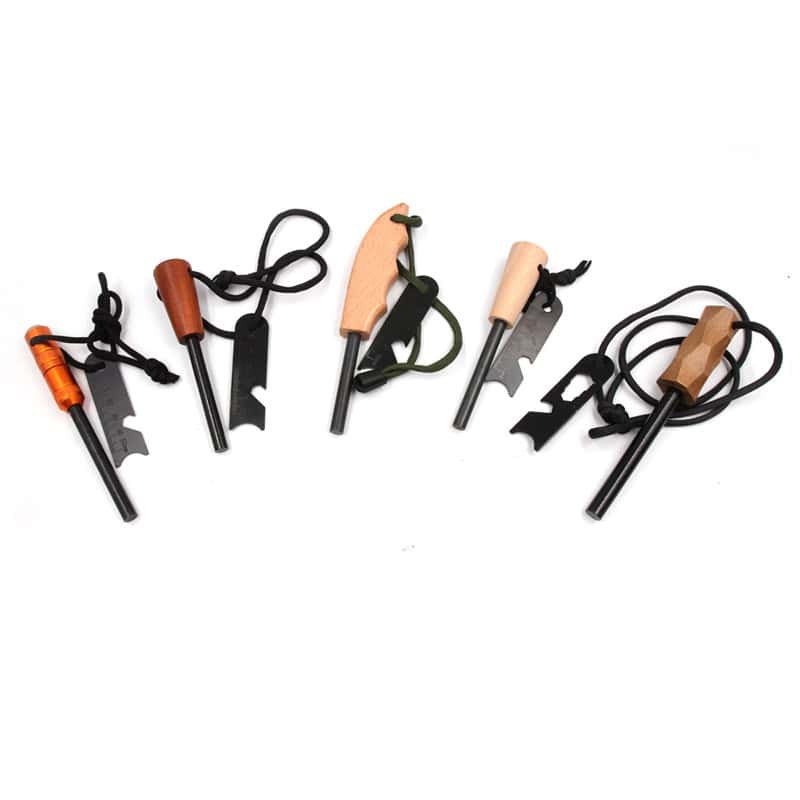
Before we go further, let’s make sure we’re on the same page about what we’re talking about.
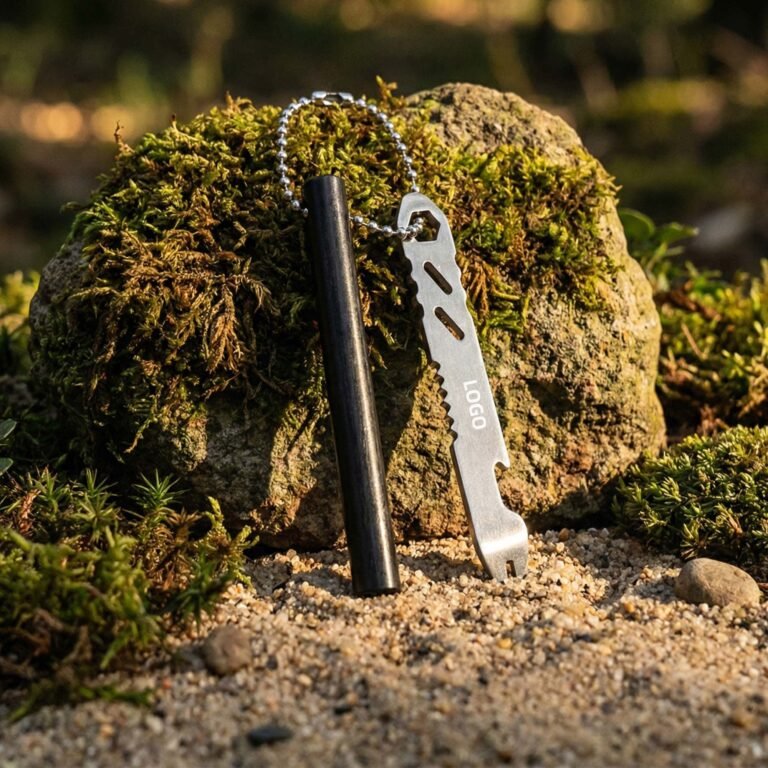
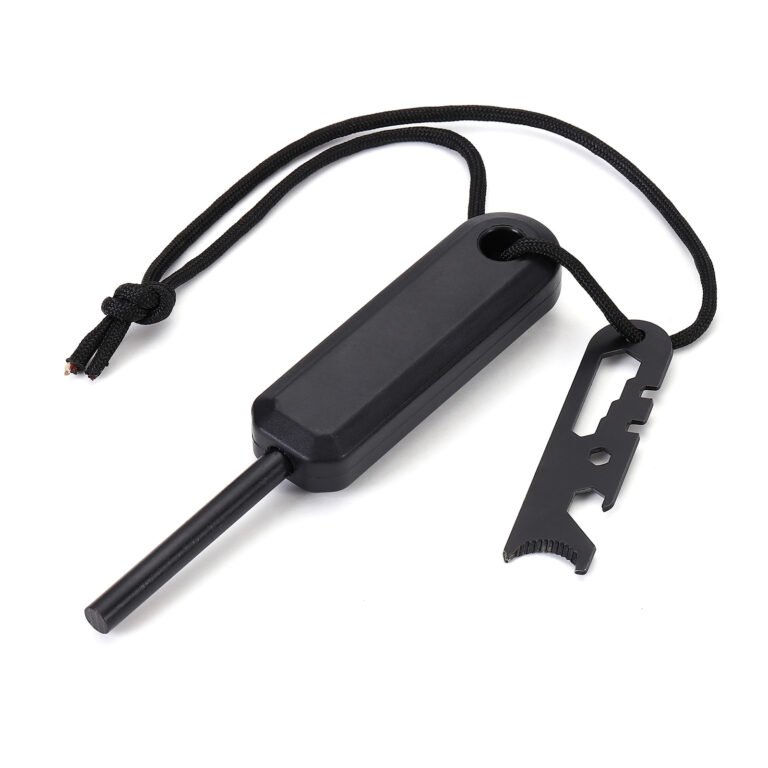
A ferro rod—short for ferrocenium—is a manufactured metal rod that throws off hot sparks when you scrape it with a hard edge. Unlike flint and steel, which was the old-school way, these rods are man-made and throw sparks that can reach 5,500°F.
You use a striker—sometimes just the back of your knife—to scrape down the rod. That sends a shower of white-hot metal shavings flying onto your tinder. It’s simple. It’s reliable. And it works when everything else fails.
I talked to quite a few folks who recently bought their first ferro rod. Some were seasoned campers. Some were new to the whole scene. The reasons they gave me painted a pretty clear picture of what’s happening.
One guy I know put it pretty simply. “I got sick of throwing away lighters,” he told me.
Think about it. A BIC lighter costs a couple bucks. It works great—until it runs out of fuel or the flint wears down. Then it’s in the trash. Multiply that by a few camping trips a year, over several years, and you’ve thrown away a surprising amount of plastic and metal.
A good ferro rod costs more upfront. You might pay fifteen or twenty bucks for a decent one. But here’s the kicker. That same rod will give you 10,000 to 15,000 strikes. My buddy who got tired of throwing away lighters did the math. He figured his rod will outlast him.
That kind of longevity just makes sense to people now. We’re all thinking a little more about what we buy and how long it lasts. The ferro rod fits that mindset perfectly.
This one came up over and over. People like knowing their gear will work no matter what.
A lighter runs out of fuel. Matches get wet. Even those “waterproof” matches—well, I’ve had a few let me down when I needed them most.
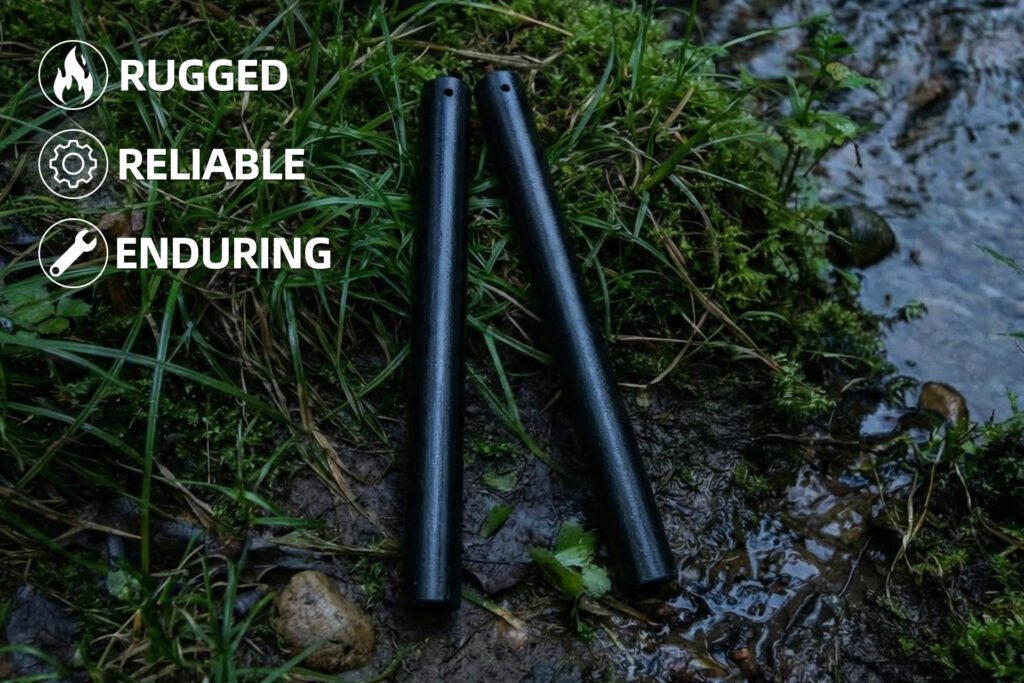
A ferro rod doesn’t care about any of that. It’s a solid piece of metal. You can drop it in a puddle, fish it out, and scrape it dry. It’ll still spark. You can use it in wind that would blow out a lighter flame instantly. The sparks are hot enough that they don’t care about a little breeze.
One guy I met at a campground last summer told me about a trip where his group got caught in unexpected rain. Everything was soaked. Everyone else was struggling with wet matches and lighters that wouldn’t click. He pulled out his ferro rod, scraped a bunch of sparks into some fine bark he’d shaved from a dead branch, and had a fire going in minutes.
“That’s when I became a believer,” he said.
This might sound a little strange, but people are getting into old-school skills again. Bushcraft. Survival skills. The kind of stuff your grandfather probably knew without thinking about it.
YouTube has a lot to do with it. You can find videos of people starting fires with all kinds of methods. The ferro rod shows up in a lot of those videos. It’s accessible. You don’t need years of practice to get it to work. But it still feels like a skill—like you’re actually doing something, not just clicking a button.
A woman I know who started camping during the pandemic told me she bought her ferro rod specifically because she wanted to learn. “I can use a lighter,” she said. “But that’s not really making fire. Using the rod feels more like I’m actually doing it myself.”
There’s something to that. When you scrape that rod and see the sparks catch, it feels good. It feels like you accomplished something.
I don’t want to get too heavy here, but let’s be real. The last few years have made a lot of people think about being prepared. Power outages. Storms. Whatever else comes up.
A ferro rod shows up in a lot of emergency kits now. And not just for the hardcore prepper types. Regular folks putting together a box of supplies for their home are including them.
Why? Because they don’t expire. You can stick one in a drawer and forget about it for five years. Pull it out during a power outage, and it’ll work exactly the same as the day you bought it. Try that with a box of matches.
More than 100 million fire starter units get sold every year just for emergency preparedness kits. That’s a lot of people thinking ahead.
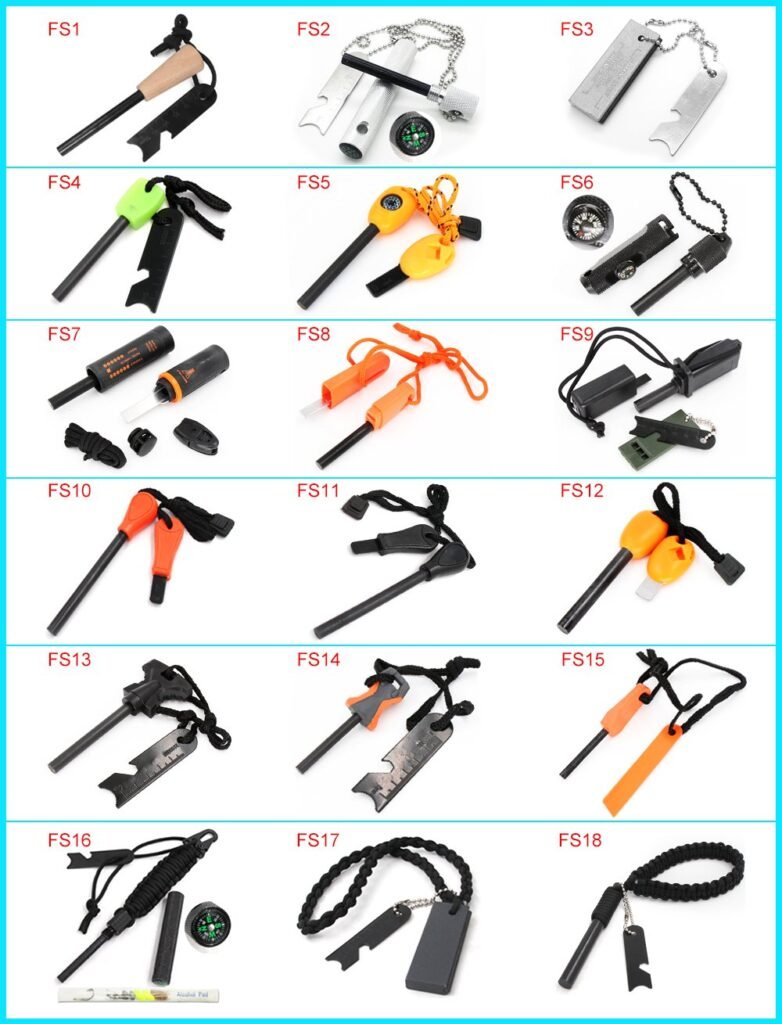
The ferro rod itself has improved. The newer ones use better alloys. They throw hotter sparks. Some come with built-in tinder options or better strikers.
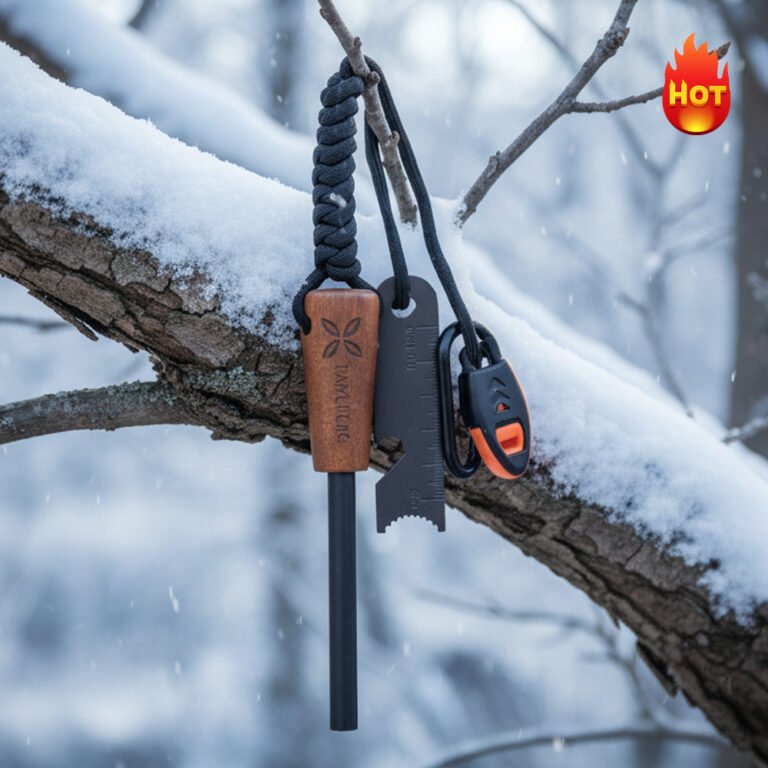
Companies are putting real thought into making them easier to use. You can find rods with ergonomic handles now. Some have survival whistles built into the ends. There are even ones that float, which is pretty handy if you spend time near water.
The basic idea hasn’t changed. But the execution keeps getting better. And when people see a product that works well and keeps improving, they pay attention.
Here’s something I hadn’t really thought about until I started looking into this. A lot of the newer fire starter products are marketed as eco-friendly. More than 30% of new products in 2023 hit the market with some kind of environmental angle—biodegradable, reusable, sustainable materials.
The ferro rod fits that perfectly. It’s reusable. It doesn’t create waste like empty lighters do. Some companies are even pairing them with tinder made from recycled materials.
For people trying to reduce their footprint, that matters. You’re not throwing anything away. You’re just using the same rod over and over, year after year.
The picture that emerged from all my asking around was pretty broad. It’s not just one type of person.
You’ve got the hardcore bushcraft crowd, sure. The folks who want to test themselves against the elements with minimal gear. They’ve been using ferro rods for years.
But now you’ve got casual campers picking them up. Families who go camping a few times a summer. Hikers who want something lightweight that won’t fail. People putting together emergency kits for their homes. Even folks who just like having one in their glove compartment, just in case.
One guy I talked to bought a ferro rod for each of his kids when they started Cub Scouts. “I wanted them to learn the right way,” he said. “Not just how to use a lighter.”
I should be honest here. There is a learning curve. The first time I used a ferro rod, I didn’t get a fire going. I got sparks, sure. Plenty of them. But I hadn’t prepared my tinder right. I hadn’t shaved it fine enough. The sparks hit, glowed for a second, and died.
It took me a few tries to figure it out. You need good tinder. You need to aim right. You need to scrape, not strike.
But here’s the thing. Once you figure it out, you’ve got it. It becomes second nature. And there’s something satisfying about that—about knowing you can make fire with a piece of metal and a sharp edge.
No product is perfect. The ferro rod has its drawbacks.
It’s slower than a lighter. If you just want to light your camp stove in thirty seconds, the lighter wins every time. The rod takes more prep work. You need to gather and prepare tinder. You need to build your fire carefully.
It also takes a little practice. Like I said, the first few tries might not work. Some people get frustrated and give up.
And honestly? Some of them are just poorly made. Cheap rods might not throw good sparks. The coating might be wrong. The striker might be junk. Like anything else, you get what you pay for.
But the good ones? They’re really good.
The ferro rod trend isn’t slowing down. More people discover them every year, and for good reason. It’s not about looking like a survival expert. It’s about having gear that actually works when things go wrong. No batteries. No fuel. No expiration date. Just a solid chunk of metal that throws 5500°F sparks whenever you need them.
If you haven’t tried one yet, grab a ferro rod for your next trip. Spend an afternoon practicing in the backyard. You might be surprised how satisfying it is when those sparks finally catch.