Request a Quote
Tell us your product type, quantity, logo requirements, packaging needs, and destination country. Our team will reply within 12 hours with MOQ, pricing, lead time, and shipping options.
If you’ve spent any time looking at survival gear or camping supplies online, you’ve probably seen these two terms thrown around a lot. And honestly? It gets confusing. People use “flint and steel” to describe all kinds of fire starters, and then you’ve got this other thing called a “ferro rod” that looks kind of similar but not really.
So let’s clear this up once and for all.
I remember when I first got into bushcraft stuff, I thought I bought a traditional flint and steel kit. Turned out it was a ferro rod. Worked fine, got my fire going, but later I realized wait, these are actually two different tools. And if you’re trying to learn proper outdoor skills or just want to know what to throw in your backpack, you should probably know the difference too.
Here’s the deal.
The short answer is that traditional flint and steel uses actual pieces of flint which is a type of rock and a piece of carbon steel. When you strike them together, you’re shaving off tiny fragments of the steel. Those fragments get hot from the friction and actually burn, creating what we call sparks.
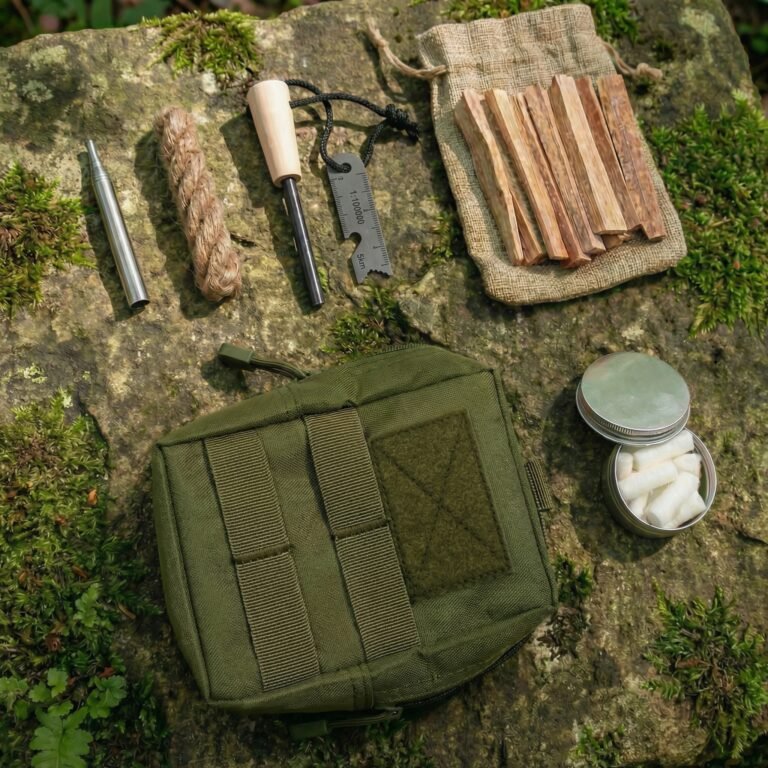
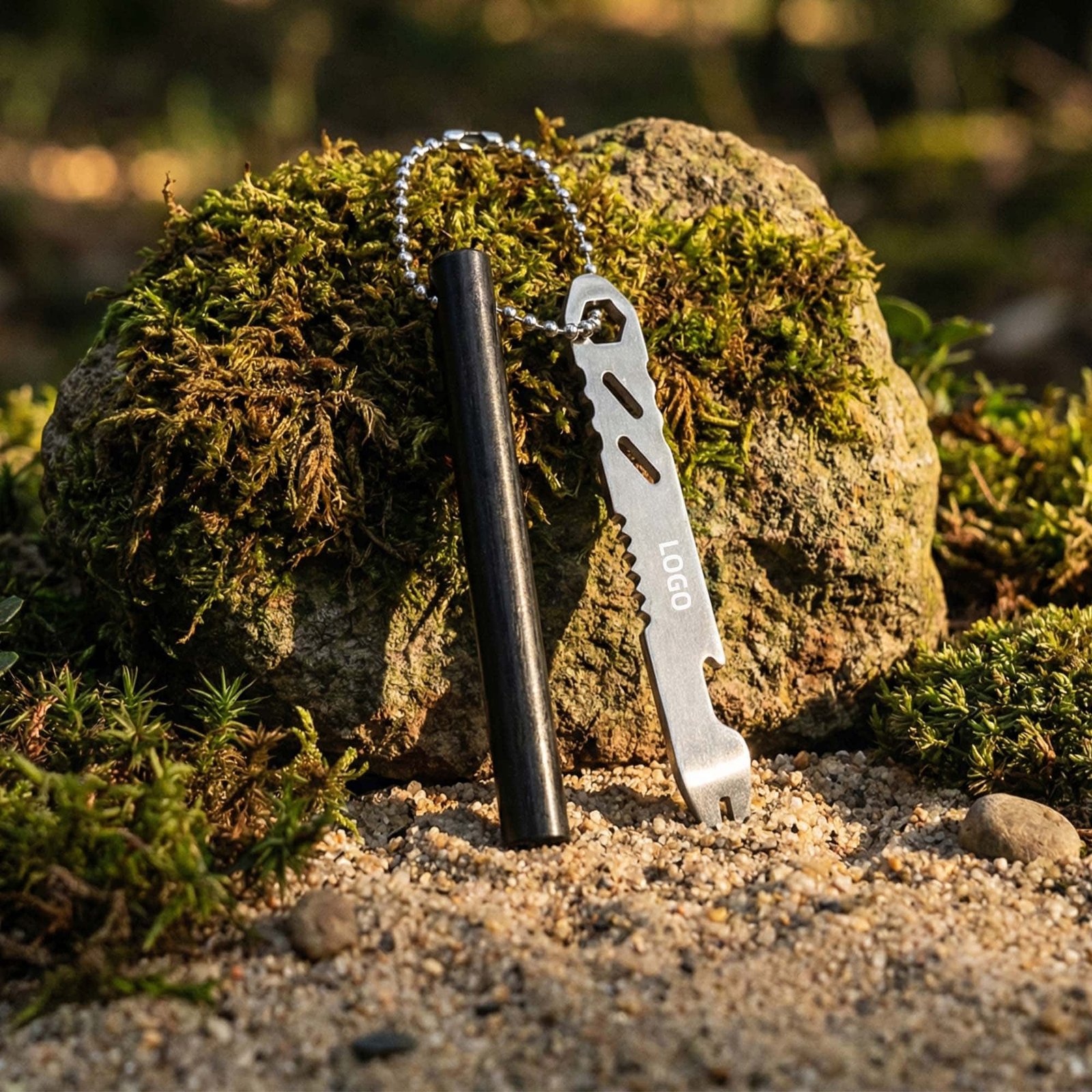
A ferro rod which is short for ferrocerium rod is man-made. It’s an alloy of rare earth metals, mostly cerium and iron. When you scrape it with a hard edge, you’re shaving off little pieces of the rod itself, and those pieces ignite instantly because cerium has this property called pyrophoricity meaning it catches fire at really low temperatures, around one hundred fifty to one hundred eighty degrees celsius.
So in one, the rock stays intact and the steel does the burning. In the other, the rod itself is what burns. If you’re looking to buy your first one, you can check out a solid beginner option like the Kupilka Firesteel 8 here.
Make sense? Good. Now let’s dig into the details because honestly, this stuff is pretty fascinating once you start looking at it.
Looking for a reliable ferro rod manufacturer for your brand?
Compare factory pricing, MOQ options, and customization details before you commit.
No commitment · Reply within 24h · MOQ from 50 pcs
Okay so picture this: you’ve got a piece of real flint, chert, or quartz. It’s just a rock, nothing special about it chemically. Then you’ve got a striker made of high-carbon steel. Could be an old file, could be a purpose-made piece of metal, but it’s definitely steel.
When you smack them together just right, the rock shaves off tiny particles of the steel. Those particles are so small that they oxidize instantly. Basically they rust really really fast and that oxidation creates heat. Enough heat that they glow orange and fall as little embers.
Here’s the thing though. Those sparks aren’t actually that hot compared to what you might expect. We’re not talking blazing fire here. They’re more like warm little specks. They’ll glow for a few seconds and then die out.
This is where a lot of beginners get tripped up.
Because the sparks aren’t super hot, you can’t just flick them onto some dry grass and expect a fire. It’s not gonna happen. You need something called char cloth. It’s fabric that’s been burned in a low-oxygen environment until it turns into black, crispy stuff that catches sparks really easily.
You take your char cloth, put it on top of your tinder bundle, hit the flint and steel to send a spark onto it, and the spark lands and starts glowing in the char cloth. Then you blow on it gently to get it hotter, and finally transfer that to your tinder.
It’s a process. Takes practice. Feels really cool when you get it right though.
Traditional flint and steel is quiet. Like, really quiet. If you’re into historical reenactment or just like the idea of using methods people used hundreds of years ago, this is your thing. There’s something satisfying about knowing you started a fire the exact same way someone did in the seventeen hundreds.
But it’s also harder to use when stuff is wet. Not impossible, but harder. And you need to practice a lot before you can do it reliably. This isn’t something you want to rely on in a real emergency if you’ve never done it before.
Ferro rods are a twentieth century invention. A guy named Carl Auer von Welsbach came up with this stuff back in nineteen o three. It’s a mix of rare earth metals about seventy five percent mischmetal which is a blend of cerium, lanthanum, neodymium, and praseodymium and then about eighteen to nineteen percent iron, with a little magnesium thrown in.
So it’s totally synthetic. Nothing natural about it. But man, does it work well.
When you scrape a ferro rod with something hard and sharp like the spine of a knife, a piece of hacksaw blade, or the striker that came with it you’re shaving off little curls of the rod material. Those curls are incredibly flammable. They ignite from the friction of being scraped off and burn at something like three thousand degrees fahrenheit which is about sixteen hundred fifty degrees celsius.
That’s hot. Way hotter than traditional flint and steel sparks.
And here’s the cool part: you don’t need special char cloth. Those super-hot sparks can ignite all kinds of stuff directly. Dry grass, birch bark, commercial tinder, cotton balls with petroleum jelly, you name it. Scrape the rod, shower of sparks, fire starts.
Ferro rods work when they’re wet. They work when it’s windy. They work in the snow. They work pretty much anywhere, anytime. One rod can give you thousands and thousands of strikes. We’re talking ten thousand plus fires from a single rod if you use it right.
And they’re cheap. You can get a decent ferro rod for like ten bucks. They’re lightweight. You can put one on your keychain. You can get huge ones for your base camp. They come in all sizes.
Need help choosing the right ferro rod style for your market?
Get a custom quote based on your quantity, size, and packaging needs.
✓ Free samples available ✓ Custom logo & packaging ✓ ISO-certified factory
Let me lay this out so it’s easy to see.
Traditional flint and steel gives you sparks that aren’t crazy hot. They glow orange but they’re really just tiny pieces of burning steel. Ferro rod sparks are legit burning metal particles at thousands of degrees. You can actually see the difference. Ferro rod sparks are brighter and last longer in the air.
With traditional, the rock doesn’t burn. The steel does. With ferro rod, the rod itself burns. That’s why ferro rods wear down over time and flints basically last forever.
Traditional setup basically demands char cloth or some other specially prepared material. You’re not gonna light dry grass with those low-temp sparks. Ferro rod? Scrape it onto some dryer lint and you’ve got a fire.
Traditional takes practice. Like, real practice. Hours of it. Ferro rod? You can hand one to a ten-year-old and they’ll figure it out in five minutes. Not saying there’s no skill involved. You gotta learn the right angle and speed. But it’s way more forgiving.
Traditional flint and steel is literally centuries old. People used this method for a really long time before matches existed. Ferro rod is barely over a hundred years old. It’s modern technology, even if it looks kind of primitive.
Honestly? Both have their place.
If you’re putting together a survival kit or a camping bag, get a ferro rod. It’s reliable, easy to use when you’re tired and cold and hungry, and it works in bad weather. You don’t want to be fussing with char cloth when you’re shivering and it’s getting dark. For a complete survival kit setup, this guide from NYMag’s Strategist has some good ideas on what to pack here.
But if you’re into bushcraft as a hobby, if you like learning old skills and feeling connected to how people did things before lighters and matches, then get a traditional flint and steel kit too. Practice with it on weekends. Learn to make your own char cloth. It’s genuinely satisfying when you get it right.
And here’s a secret: a lot of us carry both. The ferro rod is my go-to for actual use. The traditional kit is for when I want to slow down and enjoy the process.
People mix these up all the time. You’ll see products labeled “flint and steel” that are actually ferro rods. You’ll see “fire steel” used to describe both. It’s a mess.
The easiest way to tell? Look at what you’re striking.
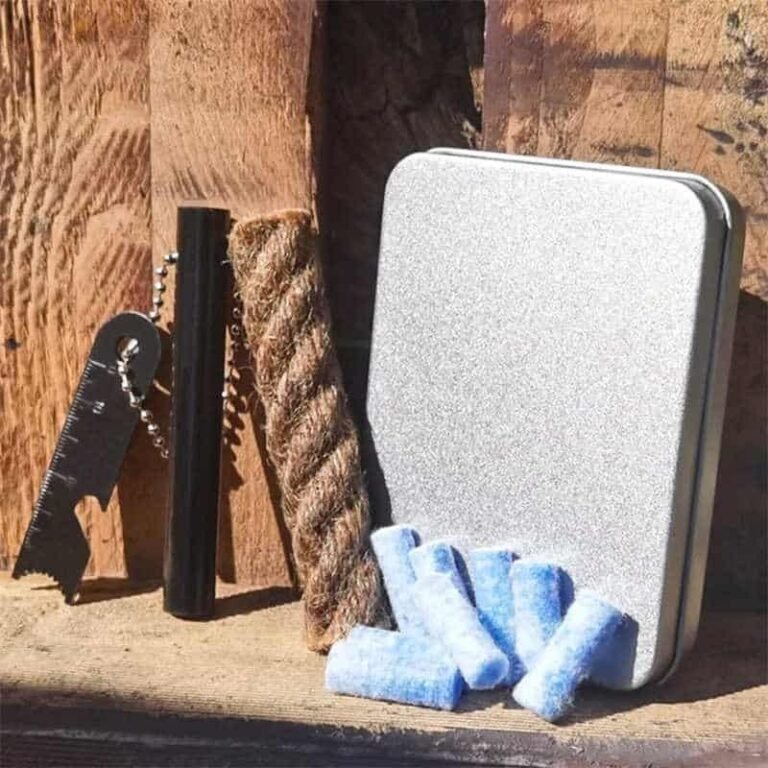
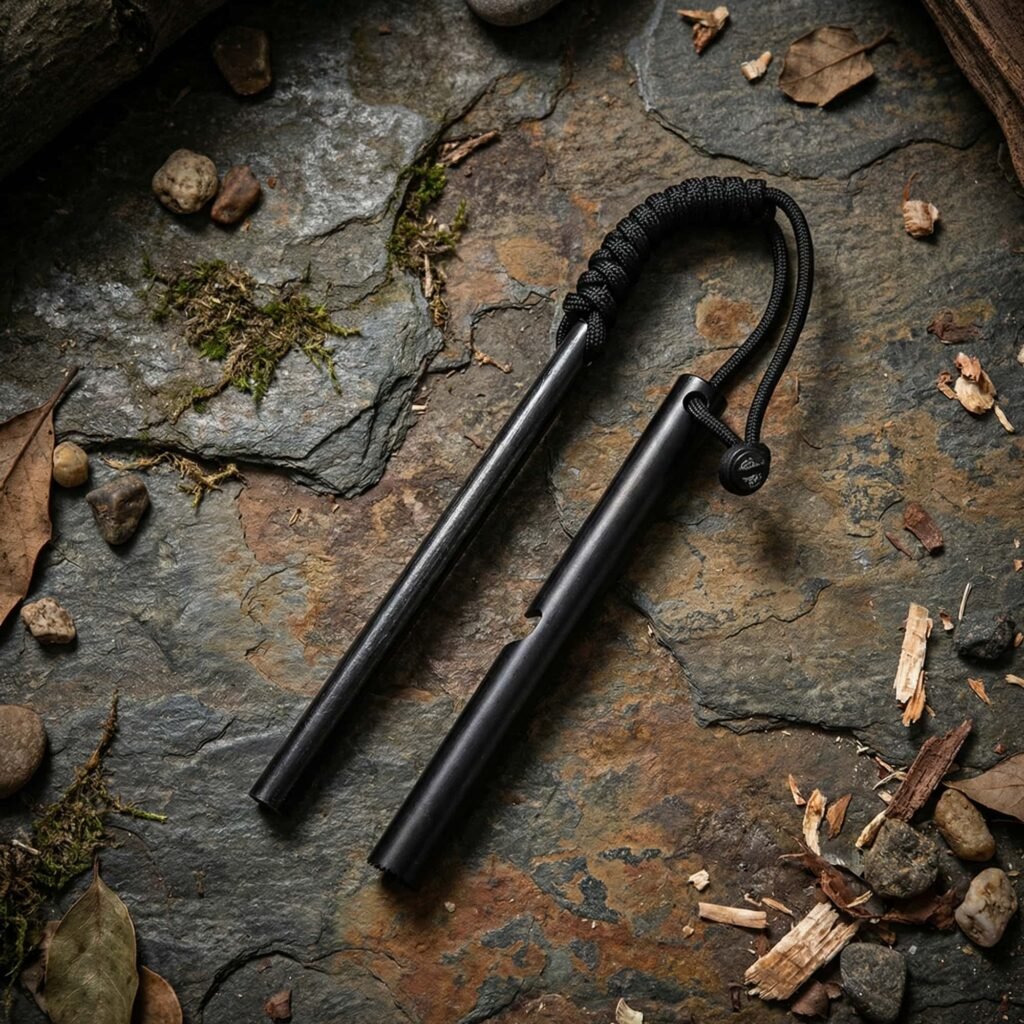
If there’s a rock involved, an actual piece of stone, it’s probably traditional flint and steel. If it’s a gray rod that looks kind of metallic and you scrape it with a piece of metal, that’s a ferro rod.
Also, ferro rods usually come with a striker that’s hardened steel, often with a sharp edge. Traditional kits might just be a piece of flint and a steel striker that’s more like a small bar or curved piece of metal.
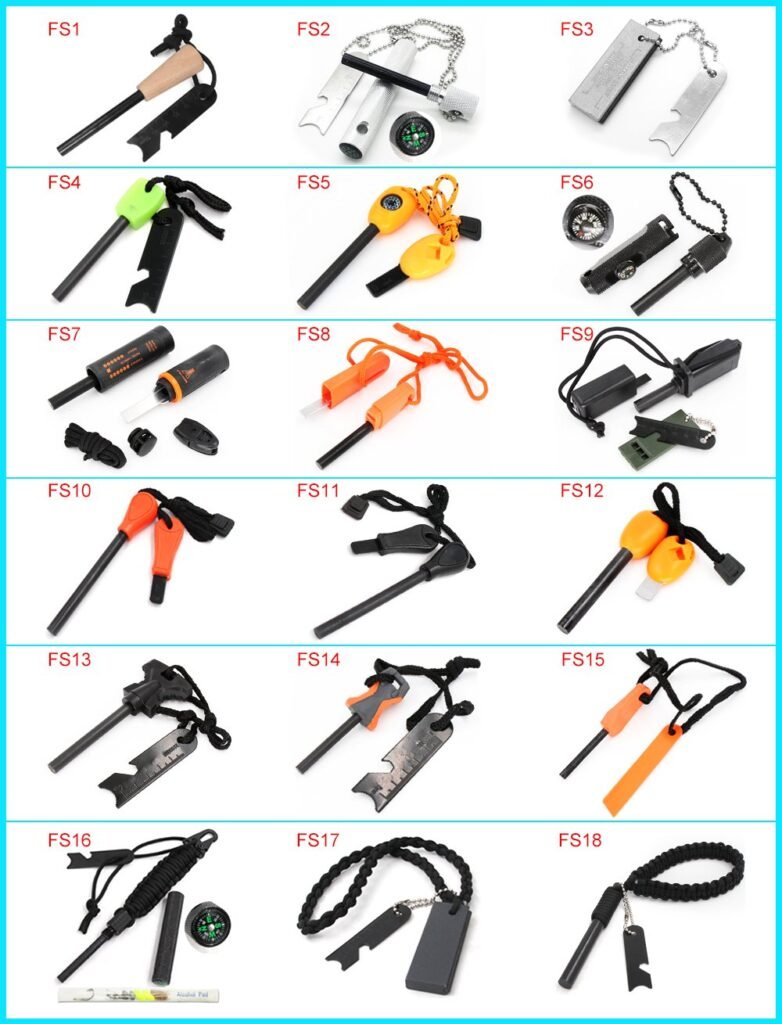
So there you go. Ferro rod vs flint and steel. They’re different tools for different situations, even though people use the names like they’re the same thing.
The ferro rod is your modern fire starter. It’s reliable, it’s hot, it’s easy. The traditional flint and steel is your historical method. It’s trickier but rewarding.
Neither one is better overall. It just depends on what you’re doing and why you’re doing it.
If you’re just getting started with outdoor stuff, grab a ferro rod. Learn to use it until it’s second nature. Then maybe pick up a traditional kit later if you want to challenge yourself and learn something new.
Either way, you’re learning to make fire without relying on lighters or matches. And that’s a skill worth having.
Ready to source bulk ferro rods?
Tell us your target quantity, product style, and packaging requirements—
we’ll send you a detailed bulk quote within 24 hours.
ISO 9001 certified · Direct factory pricing · Custom OEM available