Request a Quote
Tell us your product type, quantity, logo requirements, packaging needs, and destination country. Our team will reply within 12 hours to discuss your requirements and bulk quote.

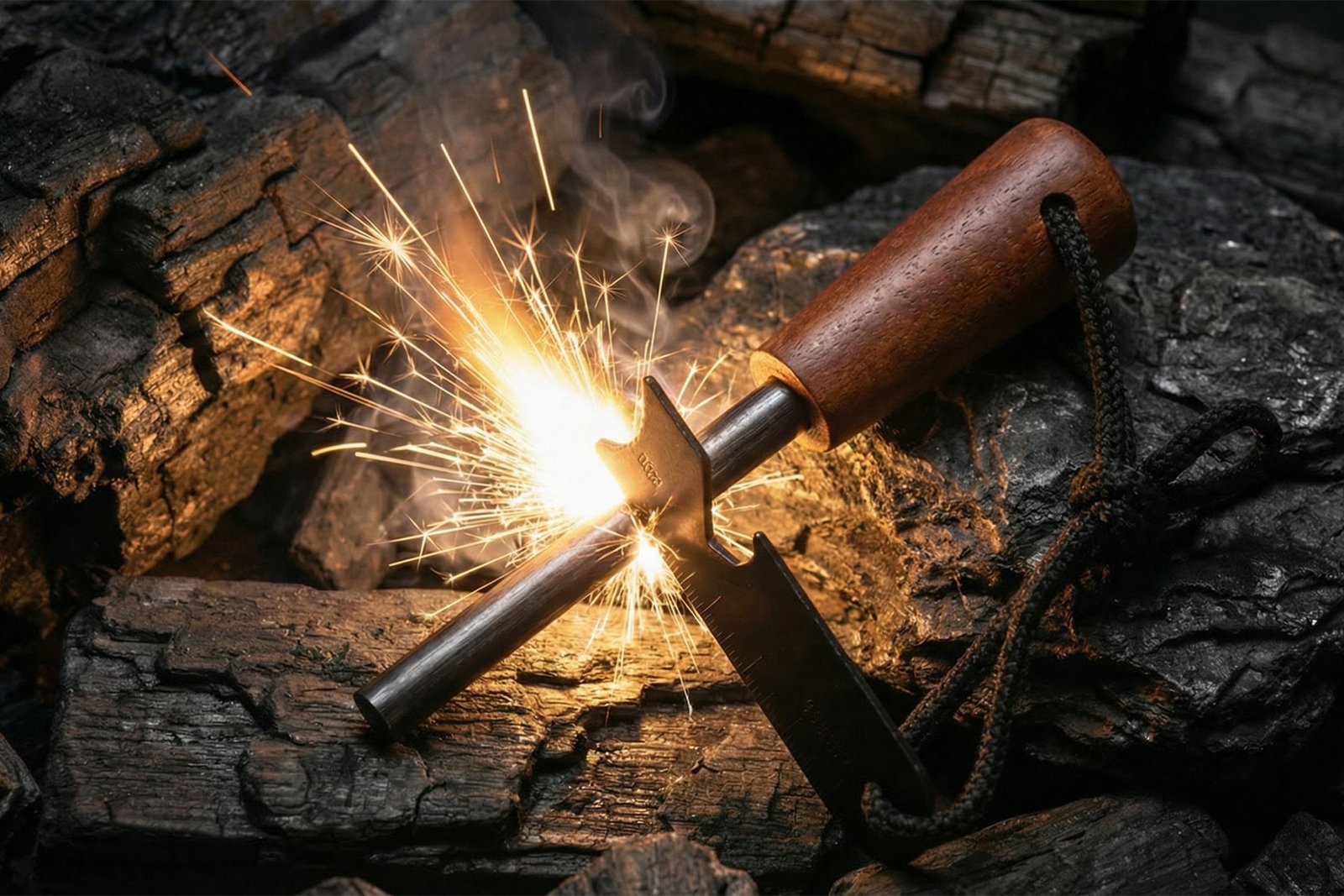
If you have ever thrown a ferro rod into your camping bag and forgotten about it, you might have pulled it out months later only to find brown spots on the surface. I have been there. More than once.
The short answer? Yes, a ferro rod can rust. But not in the way you think. And most of the time, it is fixable.
In this post, I will walk you through exactly what causes rust on a ferro rod, how to clean it, and how to stop it from happening again. No fluff. Just real stuff I learned from leaving my gear outside, storing it wrong, and ruining a few rods along the way.
Looking for a reliable ferro rod manufacturer for your brand?Compare factory pricing, MOQ options, and customization details before you commit.
No commitment · Reply within 12h · MOQ from 50 pcs
Before we talk about rust, you need to know what is inside that little rod.
A ferro rod is not pure iron. It is not steel either. It is a mix called ferrocerium. Here is roughly what is inside:
So here is the deal. The iron in that mix will eventually rust if it gets wet and stays wet. But because there is not a ton of iron, the rust is usually just surface level.
Key takeaway: A ferro rod is not rust‑proof. But it is also not as rust‑prone as an old steel knife.
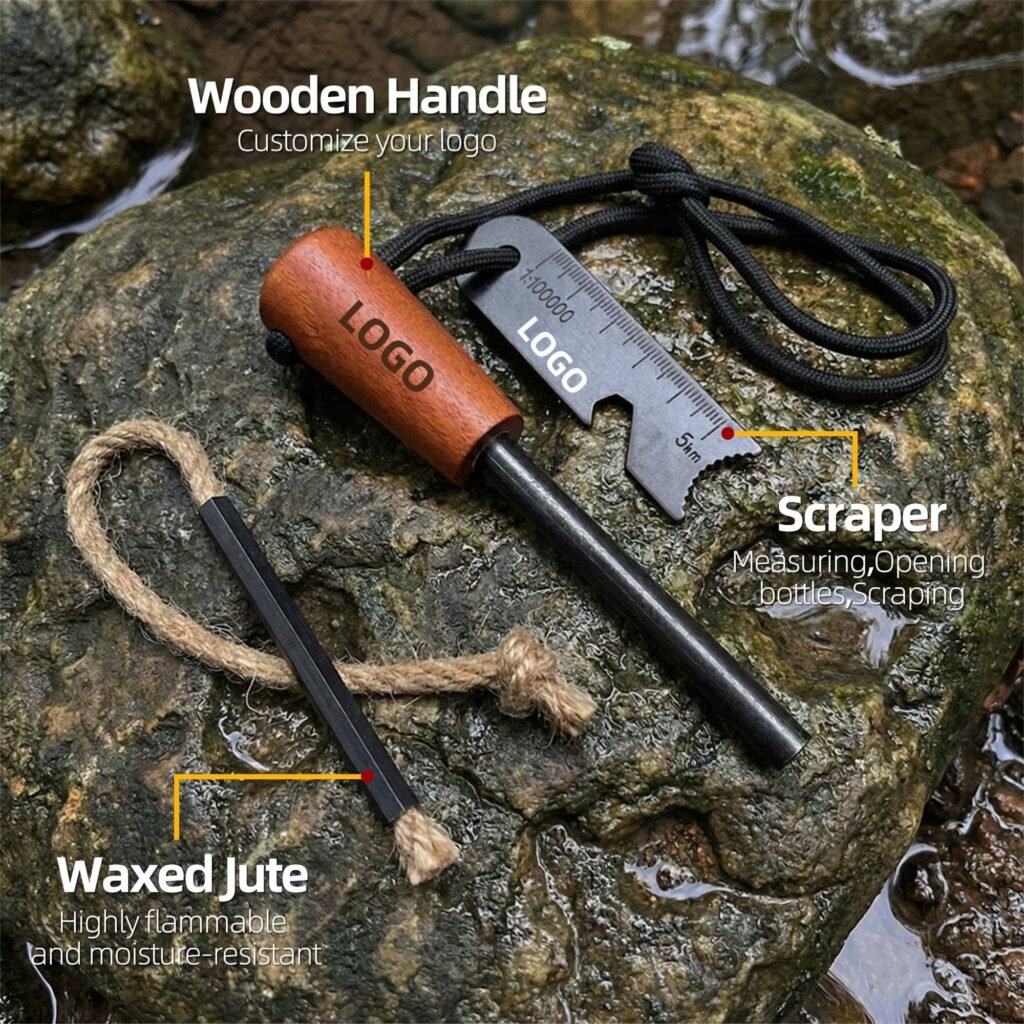
I have seen this question pop up on camping forums all the time. Someone finds a rusty ferro rod in an old survival kit and asks if it is ruined.
Here is what actually happens.
Surface rust – This looks like brown or orange dust on the outside. You can usually wipe it off or sand it lightly. The rod works fine afterward.
Deep rust (pitting) – This happens when you leave a ferro rod in a wet place for months. The rust eats small holes into the rod. Those pits make the surface uneven. The rod will still throw sparks, but the rust keeps spreading.
Complete failure – In theory, a ferro rod could rust all the way through. But I have never seen it happen. Usually the rod becomes too pitted and crumbly long before it disappears. I had one cheap rod that fell apart after a year of rust and heavy use.
So no, your ferro rod will not turn into a pile of brown dust overnight. But ignoring rust for too long will shorten its life.
You do not need a microscope. Just look at your rod and feel it. Here are four easy ways to tell if rust is starting.
1. Color changes
A healthy ferro rod is usually silver‑grey or dark grey. If you see brown, orange, or reddish spots, that is rust.
2. Powdery residue
Rub the rod with your thumb. If orange dust sticks to your skin, that is active rust. It means the surface is already breaking down.
3. Rough or bumpy texture
Run your fingernail along the rod. A smooth rod is fine. If it feels sandy, bumpy, or scratchy, rust has started to pit the surface.
4. Flaking when you strike it
When you scrape your striker down the rod, do you see little brown flakes flying off along with the sparks? That is rust coming loose. Not a good sign.
If you see any of these signs, do not panic. You can fix it. Jump down to the cleaning section.
You might have two ferro rods sitting in the same drawer. One looks brand new after a year. The other is covered in brown spots. Why?
Here are the biggest factors.
Protective coating
Storage environment
Leather sheaths
Humidity where you live
Bottom line: Spend a few extra dollars on a coated rod. Keep it dry. Avoid leather for long‑term storage. You will have way fewer problems.
Need help choosing the right ferro rod style for your market?
Get a custom quote based on your quantity, size, and packaging needs.
✓ Free samples available ✓ Custom logo & packaging ✓ ISO-certified factory
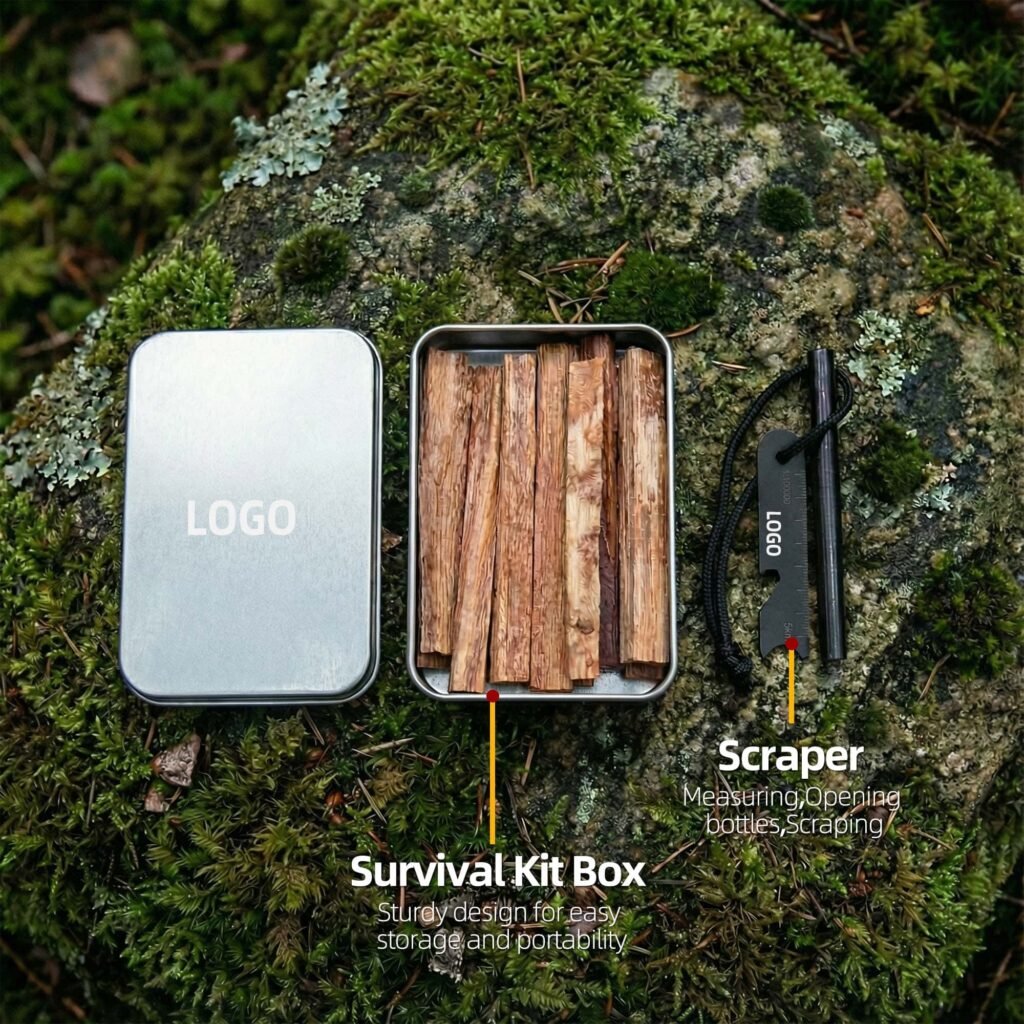
Cleaning a rusty ferro rod is easy. You do not need fancy tools. Here is exactly what I do.
What you need:
Step‑by‑step:
Step 1 – Hold the rod firmly in one hand. If it has a handle, grip the handle.
Step 2 – Scrub the rusty areas with your sandpaper or scouring pad. Use light to medium pressure. You want to remove the brown stuff, not grind away half the rod.
Step 3 – Keep scrubbing until the surface looks even and grey again. If you see dark pits, you might need to scrub a little deeper.
Step 4 – Wipe the rod clean with a dry cloth. Make sure no dust or rust particles are left behind.
Step 5 – Test your rod. Scrape it with your striker or the spine of a knife. You should see a good shower of sparks. If the sparks are weak, you might have scrubbed too lightly. Go back to step 2.
That is it. The whole process takes five minutes for light rust. Maybe ten minutes if the rust is heavy.
One warning: Do not use water to clean rust off a ferro rod. Water just adds more moisture. Dry methods only.
Prevention is way easier than cleaning. I have learned these habits the hard way. Now I do them without thinking.
1. Wipe your rod dry after every trip
Even if it looks dry, give it a quick wipe with a cloth. Moisture hides in small scratches and under the handle.
2. Store your ferro rod in a dry place
A drawer in your house. A dry box. A shelf in a climate‑controlled room. Avoid garages, basements, and sheds.
3. Never store a ferro rod in a leather sheath long‑term
Use the leather sheath during your trip. Take the rod out when you get home. Let the sheath and the rod dry separately.
4. Use a light coat of oil for long‑term storage
Here is a trick. Put a tiny drop of mineral oil on a paper towel. Wipe the rod very lightly. Then wipe it again with a dry part of the towel to remove excess oil. Do not overdo it. Too much oil makes the rod slippery and can reduce sparks.
5. Keep your rod out of plastic bags if it is wet
I made this mistake. I put a wet ferro rod in a ziplock bag. A week later, everything in that bag had rust. If you use a bag, make sure the rod is 100% dry first.
6. Rinse after saltwater exposure
Saltwater is the worst. If your ferro rod touches ocean water, rinse it with fresh water, dry it immediately, and give it a light oil coat.
Do these six things and your ferro rod will probably outlast you.
Some ferro rods come with a black coating from the factory. That coating is there for a reason. It stops rust.
I see people online saying you should scrape off the whole coating before first use. That is bad advice. Here is what I do instead.
Removing the entire coating is a waste of time. It also removes your rust protection. Do not do it.
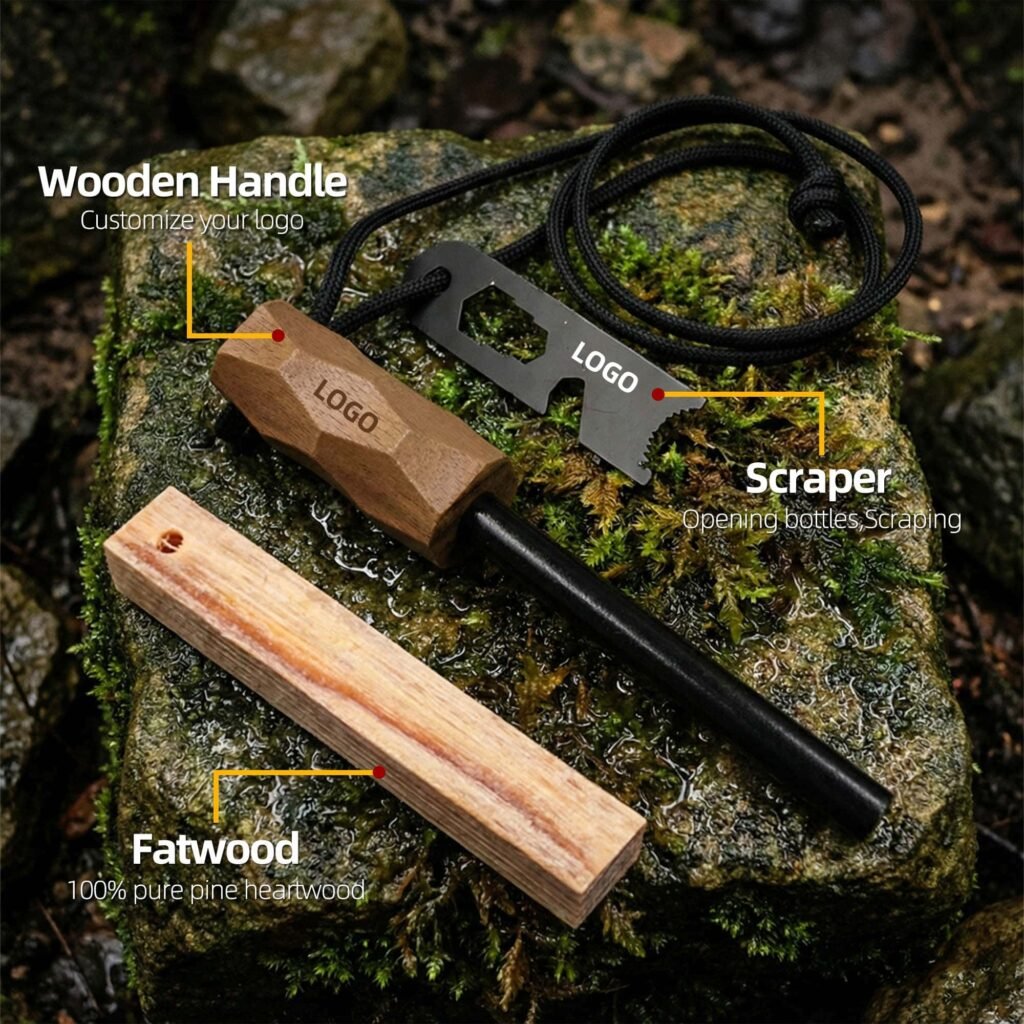
I wanted to see what would happen. So I took a medium‑sized ferro rod with a plastic handle and left it on my back porch. No cover. No protection.
Week one: Nothing changed. The rod looked fine.
Week two: Light rain for three days. The rod started looking dull.
Week three: Heavy fog for two nights. Brown spots appeared.
Week four: I picked it up. The surface was patchy dark grey with orange‑brown spots everywhere. I scraped it with my knife. Orange dust fell off.
That was rust. The rod still worked, but it looked terrible. I cleaned it with sandpaper in about eight minutes. It is still in my camping box today.
The lesson? A ferro rod does not need to sit in water to rust. Just humid air for a few weeks is enough.
I learned this one the hard way. Last year I took a cheap ferro rod on a beach camping trip. I kept it in my shorts pocket. I waded into the ocean a few times. I did not rinse the rod.
Three days later, the rod was covered in greenish‑brown rust. It looked awful. I sanded it, but the sparks were never as strong as before. That rod died a few months later.
If you take a ferro rod to the beach:
Salt accelerates rust like crazy. Do not ignore it.
Absolutely. A ferro rod is still one of the best fire starters you can carry. Here is why.
I have used ferro rods in rain, snow, and high winds. They have never let me down. Rust is annoying, but it is not a reason to switch to something else.
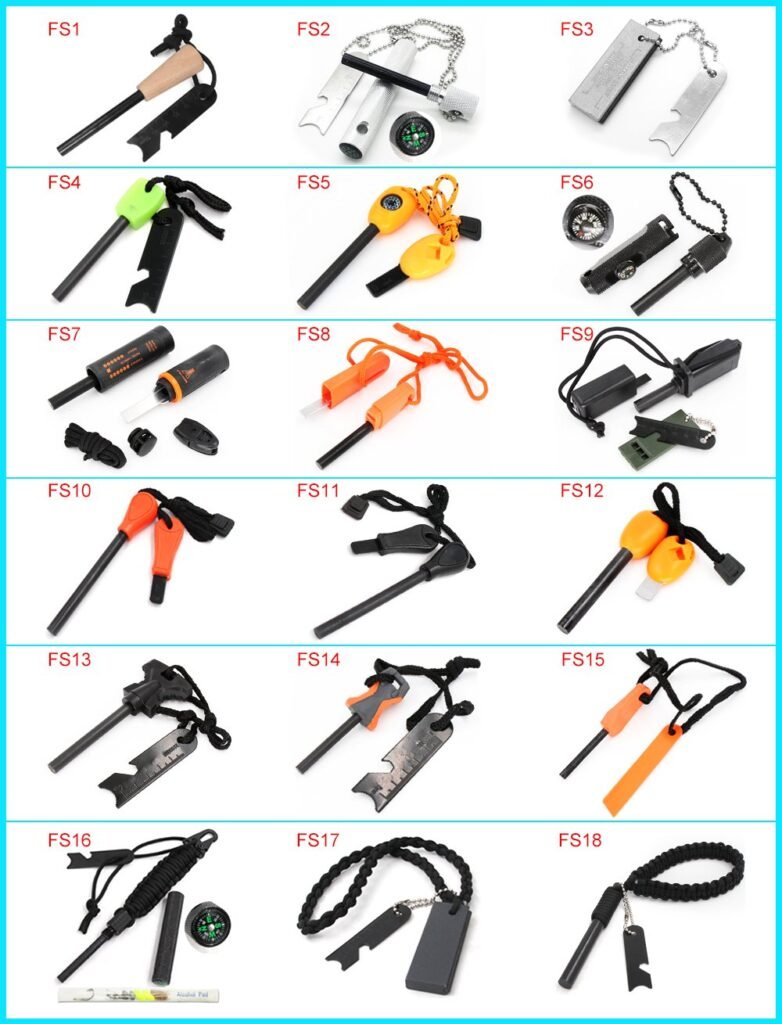
I still have that first cheap ferro rod that got all crusty after the canoe trip. I sanded it down and used it for two more years. It lives in my glove box now as an emergency fire starter. It is ugly. It has dark spots and tiny pits. But every time I scrape it, it throws a fat shower of sparks.
That is why I love ferro rods. They are forgiving. They are tough. And a little rust is not going to stop them.
So go check your rod right now. See any brown? Grab some sandpaper and fix it. Future you will be grateful when you are standing in the woods, it is starting to rain, and your trusty fire starter lights up on the first strike.
Ready to source bulk ferro rods?
Tell us your target quantity, product style, and packaging requirements—we’ll send you a detailed bulk quote within 12 hours.
ISO 9001 certified · Direct factory pricing · Custom OEM available