Request a Quote
Tell us your product type, quantity, logo requirements, packaging needs, and destination country. Our team will reply within 12 hours with MOQ, pricing, lead time, and shipping options.
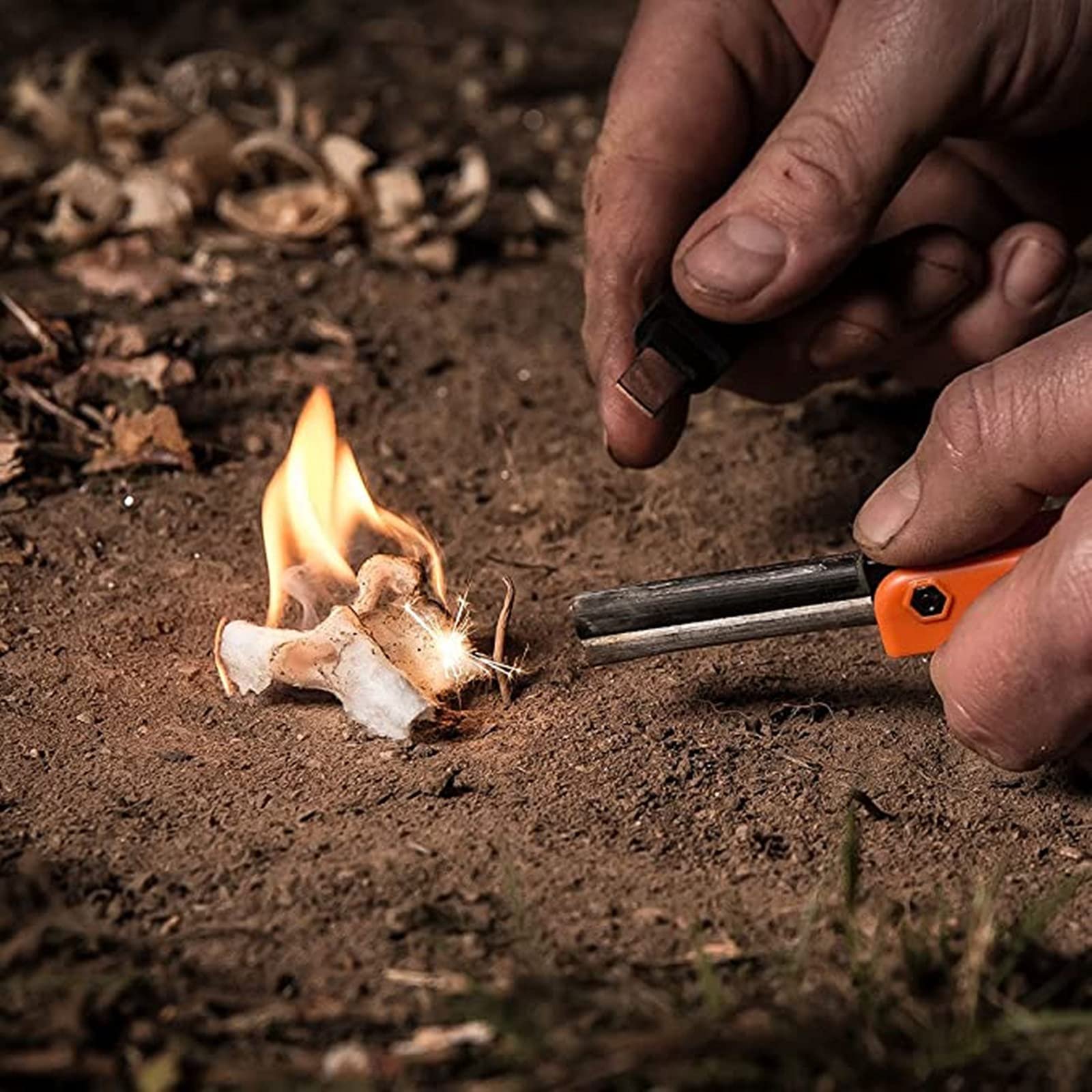
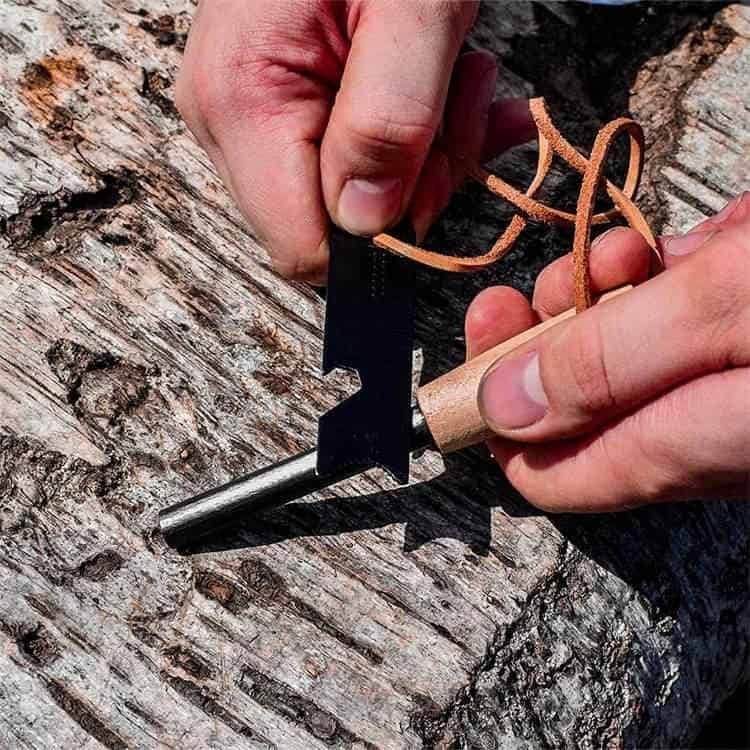
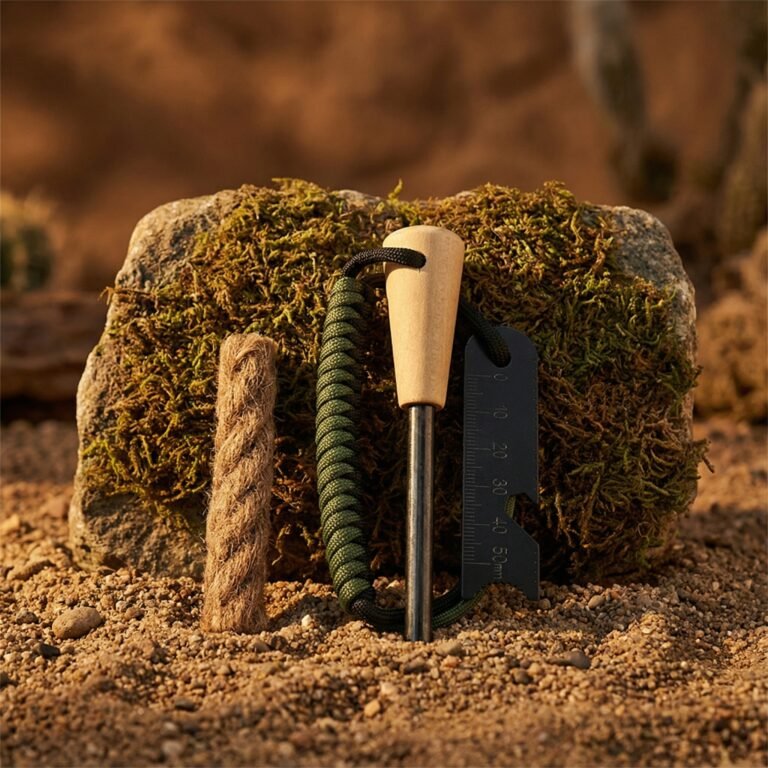
I’ve been soaked more times than I can count. Rain dripping off my hood, fingers cold, and the only thing between me and a hot drink is a little metal rod. That ferro rod in my pocket has saved more trips than I’d like to admit. But it took me a while to figure out how to use it properly when everything around me is wet.
Most people think a fire starter like a match or a lighter is enough. Then the rain comes, and they’re stuck. No flame. No warmth. Just a lot of shivering.
So let me break this down the way I wish someone had told me years ago. I’ll put a small header before each big idea, and then give you the real-world steps underneath. No fancy words. Just stuff that works.
Looking for a reliable ferro rod manufacturer for your brand?
Compare factory pricing, MOQ options, and customization details before you commit.
No commitment · Reply within 12h · MOQ from 50 pcs
You might be wondering – why not just carry a Bic lighter? I used to think the same thing. Then I tried lighting one with wet fingers in a downpour. The spark wheel just spun. No flame.
Here’s why a ferro rod wins when it’s raining.
I still carry a mini Bic as a backup. But when rain is coming down sideways, my hand goes to the ferro rod first. It’s just more reliable.
I made this mistake too. For longer than I want to admit.
People think the spark from a ferro rod will light anything. Wet leaves. Damp twigs. Even grass that’s been sitting in the rain for two days. That’s not how it works.
Here’s the truth.
I’ve watched friends scrape their rod fifty times, getting frustrated, while a pile of wet wood sits there doing nothing. The rod wasn’t the problem. The tinder was.
So before you even think about striking, spend your time on tinder. Good tinder. Dry tinder. That’s where the real work is.
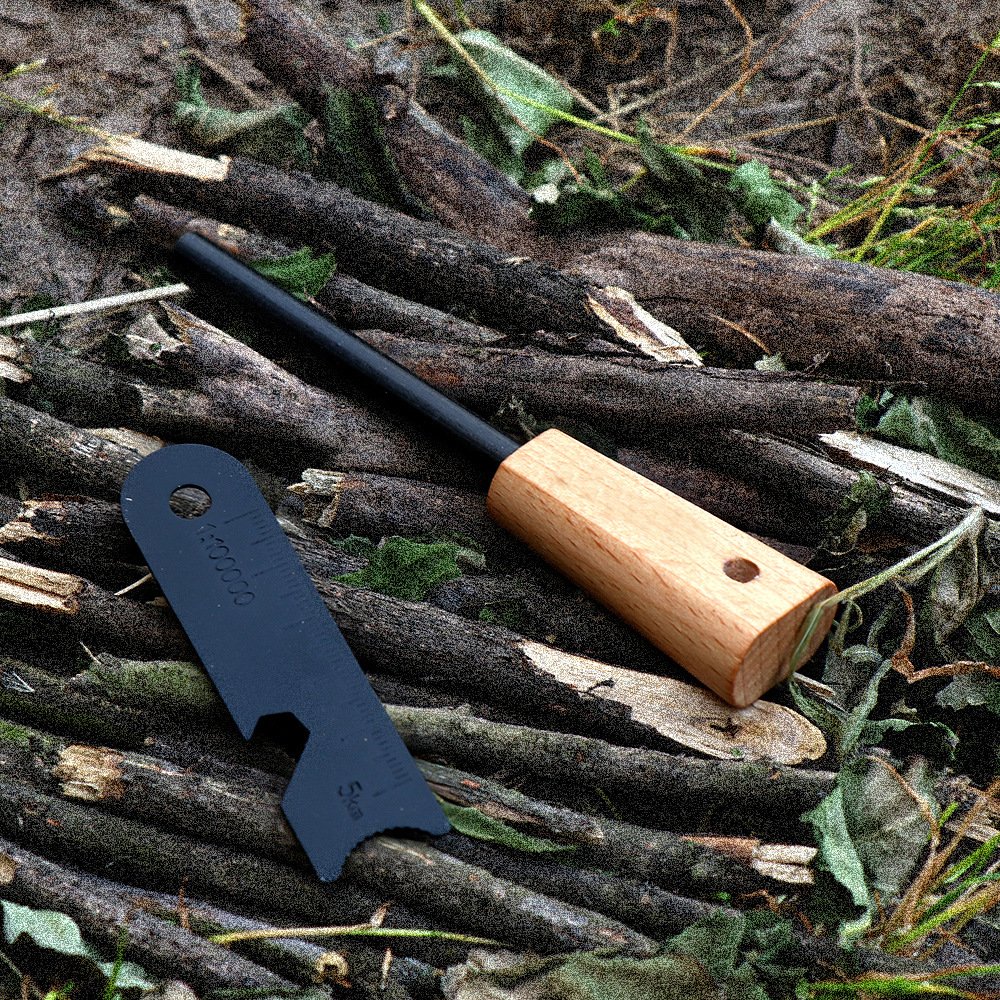
This is the part that surprises most people. Even after a full day of rain, there’s dry stuff out there. You just have to know where to look.
Here are the places I check first.
Dead branches still on a tree. Look for a standing dead tree. Break off a small branch. If it snaps clean instead of bending, the inside is probably dry. Use your knife to scrape the edge of that branch. You want fine, feathery shavings. That’s your gold.
Fatwood if you’re in pine country. Old pine stumps often have resin-soaked heartwood. It smells like turpentine. Shave off thin curls and you’ve got tinder that can catch a spark even if it’s a little damp.
Inner bark from cedar or birch. Find a dead branch that’s hanging off the ground. Peel off the outer bark. Underneath is a soft, fibrous layer. Rub it between your palms until it gets fluffy. That stuff lights up fast.
Your own pocket. Honestly, this is the smartest move. Before you leave home, stuff a ziplock bag with cotton balls soaked in petroleum jelly. Or buy some commercial tinder like WetFire. Keep it in a dry pocket. Then you don’t have to hunt for anything.
I’ve done the natural tinder thing many times. It’s fun and satisfying. But if it’s pouring rain and I’m already cold, I reach for the cotton balls. No shame in that.
Here’s a step that beginners skip all the time. You find some tinder. You put it right on the wet ground. Then you start scraping your ferro rod.
The spark hits. The tinder catches. Then it goes out after one second.
Why? Because the ground is soaking wet. It sucks the heat right out of your tiny flame.
So before you do anything else, build a dry floor.
Put your tinder on that dry platform. Now when the spark lands, the tinder can actually burn. The ground isn’t stealing your heat.
I once used a flattened cardboard box I found next to a gas station dumpster. Not pretty, but it kept my tinder off the wet dirt. That fire got going in under a minute.
You’ve got dry tinder on a dry platform. Now comes the part where people mess up the most. The strike.
Most people hold the ferro rod still and scrape the striker toward their body. That works on a sunny day. In the rain, you want something better.
Here’s the method that changed everything for me.
That way the sparks shoot straight down into your tinder. They don’t fly off into the rain and disappear.
Also, scrape hard. I mean it. A lot of people are way too gentle. You need to remove material to make sparks. If you’re barely scratching the surface, you’ll get weak orange sparks that won’t light anything. You want bright white sparks. That takes speed and pressure.
One more thing. Most ferro rods come with a black protective coating. Scrape that off before your trip. Use a knife or a rock to expose the shiny metal underneath. That coating does nothing except get in your way when you’re trying to start a fire in the rain.
Need help choosing the right ferro rod style for your market?
Get a custom quote based on your quantity, size, and packaging needs.
✓ Free samples available ✓ Custom logo & packaging ✓ ISO-certified factory
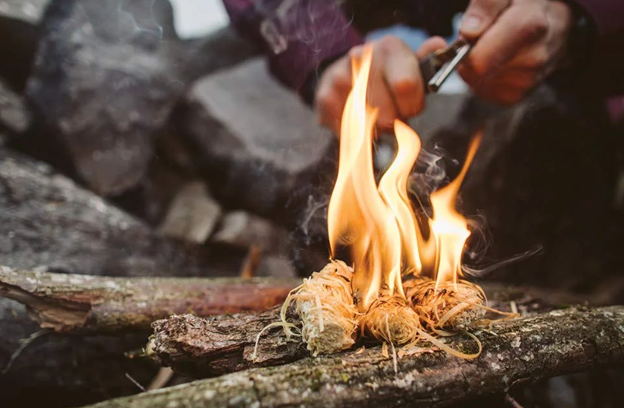
You get a spark. Your tinder starts glowing. Now don’t just sit there and stare at it.
You have maybe ten seconds before that little ember dies. Here’s what to do.
And keep your kindling dry. If you collected it earlier, put it under your jacket or inside your pack. Nothing’s worse than getting a flame going only to realize your next handful of sticks is soaked.
This whole process – from the first spark to a real fire – can take less than a minute if you’re prepared. Or it can take twenty minutes if you rush and mess up. I’ve done both. The slow, careful approach wins every time.
Sometimes the rain is so bad that even your dry platform gets splashed. Drops are hitting your tinder before you can even strike your ferro rod.
Here are a few tricks for those days.
I can give you all the tips in the world, but nothing replaces practice. You don’t want your first time using a ferro rod in the rain to be the time you actually need a fire to stay warm.
So here’s what I suggest.
The more you practice, the more your hands will remember what to do. When you finally have to do it in real rain, you won’t be thinking about blog posts or YouTube videos. You’ll just move.
Getting that first flame is only half the battle. In the rain, keeping the fire alive can be just as hard.
Here’s what works for me.
I’ve had fires that took me forty minutes to start, only to watch them die five minutes later because I got lazy with my wood pile. Don’t be that person.
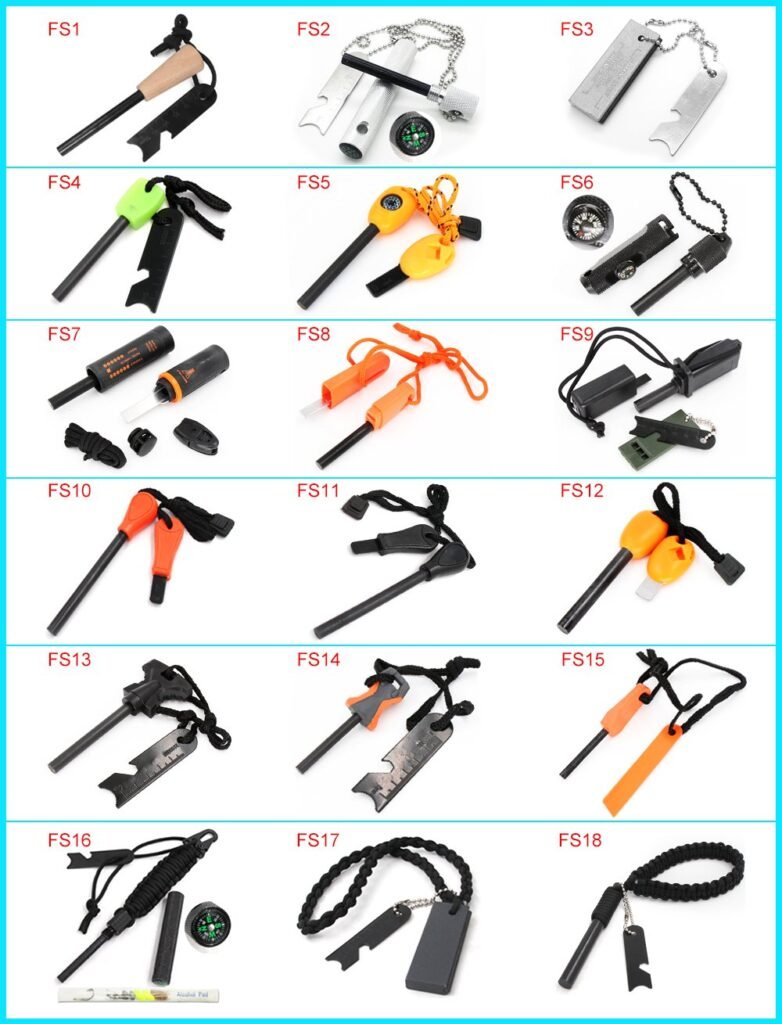
A ferro rod is not magic. It’s a tool. A really good tool, but only if you treat it right.
It won’t turn wet leaves into a campfire. It won’t make soggy wood burn. But if you give it dry tinder, a dry place to burn, and a decent strike, it will give you a flame when nothing else will.
I’ve used my ferro rod in snow, in sleet, in rain that soaked through my jacket in ten minutes. Every time, that little fire starter came through. Not because it’s special, but because I learned to work with it instead of against it.
So go get your ferro rod. Find some dead wood. Practice making feather sticks in your backyard. Get comfortable with the motion.
And next time the forecast calls for rain, throw that rod in your bag. You probably won’t need it. But if you do, you’ll be really glad you brought it.
Ready to source bulk ferro rods?
Tell us your target quantity, product style, and packaging requirements—
we’ll send you a detailed bulk quote within 12 hours.
ISO 9001 certified · Direct factory pricing · Custom OEM available