Request a Quote
Tell us your product type, quantity, logo requirements, packaging needs, and destination country. Our team will reply within 12 hours to discuss your requirements and bulk quote.

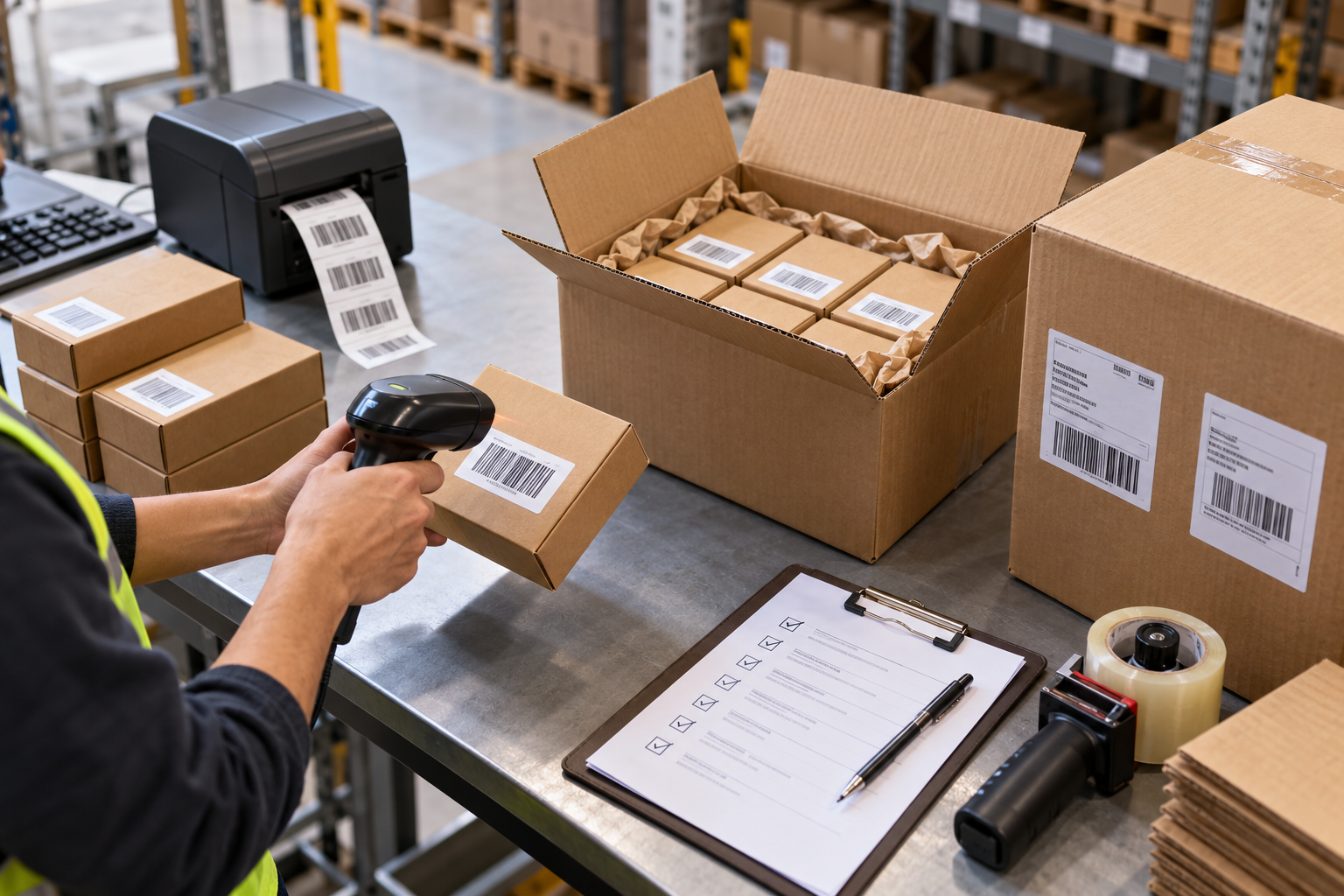
FBA shipments fail at receiving because of unmet Amazon FBA labeling requirements and packaging gaps, not product quality. This checklist covers the six confirmation points a supplier and seller must close before dispatch.
Prepare FBA shipments in layers: confirm the item barcode, protect each sellable unit, match box contents to the shipment, and apply the correct box labels. Check the destination marketplace and product requirements before packing.
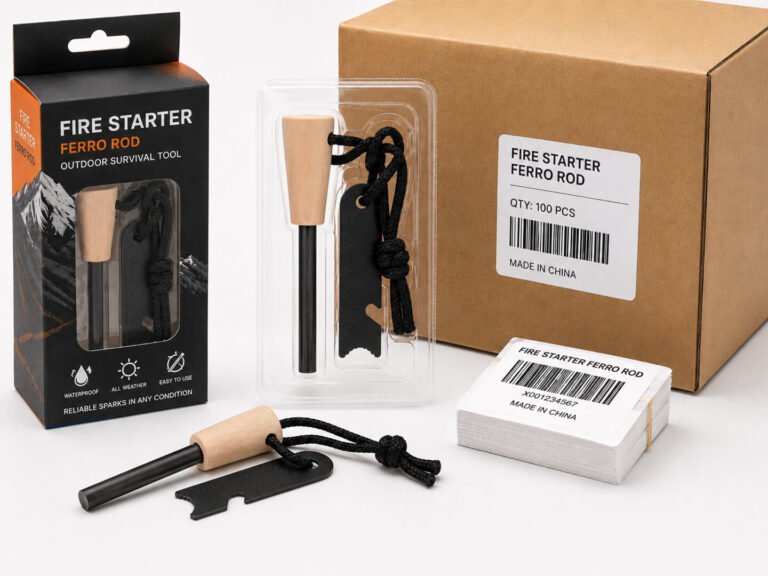
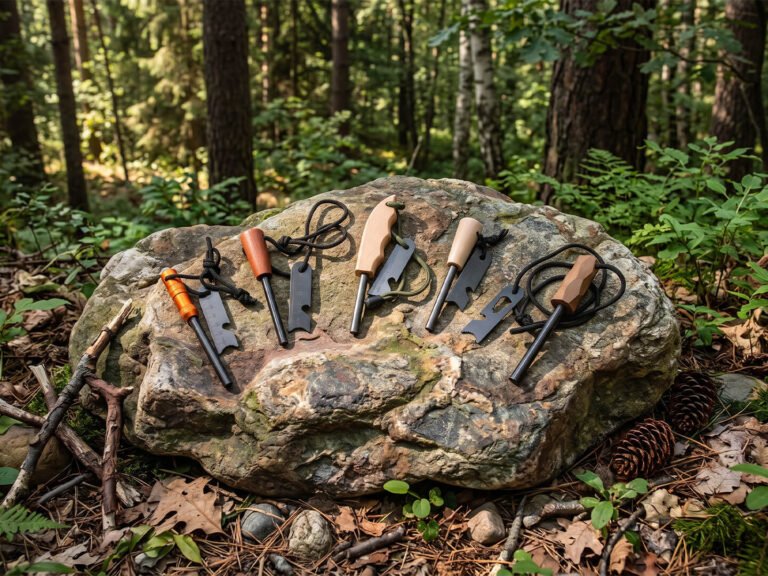
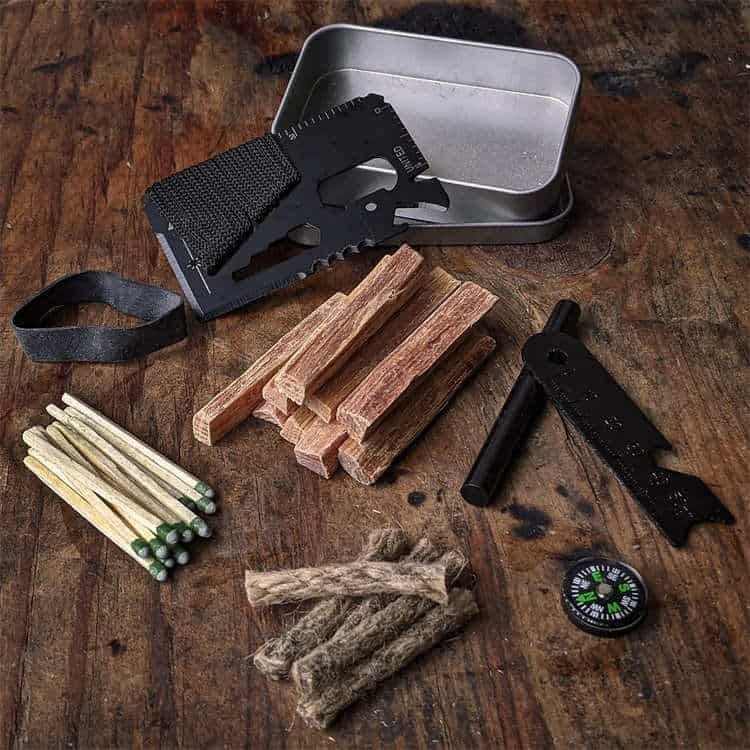
Looking for a reliable ferro rod manufacturer for your brand? Compare factory pricing, MOQ options, and customization details before you commit.
No commitment · Reply within 12h · MOQ from 50 pcs
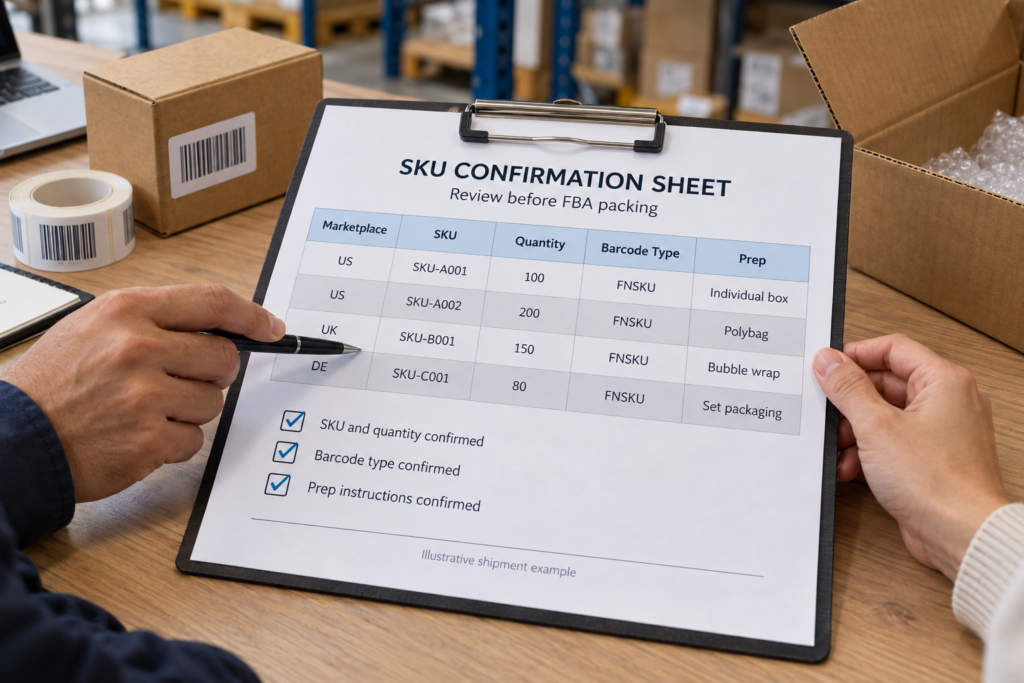
Before any carton is sealed, six items should appear on a single confirmation sheet signed by both the seller and the supplier:
This sheet becomes the reference document for the supplier’s packing team. Without it, the factory works from assumptions, and assumptions are what cause receiving defects.
Here is a simplified example of what that SKU confirmation table looks like:
| Field | Example Entry |
| Marketplace | Amazon US |
| Product / SKU | Ferro Rod Kit: FR-100-BLK |
| Variant | Black handle, standard striker |
| Quantity | 300 pcs |
| Unit Barcode Type | FNSKU (Amazon barcode) |
| Prep Required | Poly bag, sealed, suffocation label |
| Notes | No expiration date; standard-size item |
Official source:Amazon FBA product barcode requirements
As of March 31, 2026, Amazon changed its barcode requirements under current Amazon FBA labeling requirements. Brand owners enrolled in Brand Registry can continue using manufacturer barcodes without stickers. Resellers, however, must apply Amazon barcodes (FNSKU labels) even if the product already has a UPC or EAN. Confirm your barcode preference in Seller Central under Settings > Fulfillment by Amazon > FBA product barcode preference.
Once the barcode type is confirmed, the supplier must match every printed label to the correct unit. Download the label file from Seller Central and cross-check the product name and condition field against the actual item. Print on non-reflective adhesive paper with black ink at 300 DPI. Labels should measure 1 to 2 inches high and 2 to 3 inches wide. These rules apply to the sellable unit itself; the separate FBA carton label and FBA box label that go on the outer shipping box follow their own placement rules, covered in the carton sections below.
Placement matters as much as printing. Labels must sit on a smooth, flat surface, not on corners, edges, or curves. Do not place an FNSKU label across a fold or seam on the retail box; the barcode will crease and fail scanning. Cover any original manufacturer barcode with the FNSKU label so the wrong code is not scanned at the fulfillment center. Unit-level labeling and Amazon FBA packaging requirements work together: a correctly printed label on a poorly protected item still fails at receiving.
For a detailed walkthrough of FNSKU label types and placement, see the FNSKU label guide.
Official source:FBA product labeling requirements
✓ Free samples available ✓ Custom logo & packaging ✓ ISO-certified factory
Amazon FBA packaging requirements are product-specific, and so are the Amazon FBA labeling requirements that sit on top of them. Do not assume every item needs the same protection. Three common prep categories apply:
Retail box: The product ships in its own printed box with a scannable barcode visible. Suitable for products that are already retail-ready and durable enough for transit.
Poly bag: Used when the product needs dust and moisture protection, or when it has loose parts. Poly bags must be at least 1.5 mils thick and transparent. Note the unit: 1 mil = 0.0254 mm. So 1.5 mils is approximately 0.038 mm. Do not confuse mil with millimeter when specifying bag thickness to a supplier. Poly bags must be completely sealed, even if the product inside is already in a sealed retail box. If the bag opening is 5 inches (12.7 cm) or larger when flat, a suffocation warning label is required.
Bubble wrap or foam: For fragile or oversized items where a poly bag alone does not prevent damage. Bubble wrap may be used with an FNSKU label applied to the outside of the wrap.
Unit protection is only half the job. The FBA carton label and FBA box label that go on the outer shipping box are separate from the unit-level label, and mixing up the two is a common cause of receiving exceptions. Label the sellable unit, then label the carton.
Amazon specifically prohibits packing peanuts, crinkle wrap, shredded paper, and Styrofoam as void fill inside FBA shipments. Use heavy-weight kraft paper, air pillows, or polyethylene foam sheeting instead.
For products that need custom retail packaging alongside FBA prep, the supplier can combine both into one production run. See Survfire’s private label packaging capabilities for outdoor products.
Official source:FBA packaging and prep requirements
Amazon requires that the shipment details listed in your shipping plan match the shipment sent to the fulfillment center-. This means the supplier must verify four data points against the final packing information:
The supplier should fill in box content information in Seller Central, either through the web form, an uploaded file, or a 2D barcode on each box. Inaccurate box content information results in manual processing fees and receiving delays.
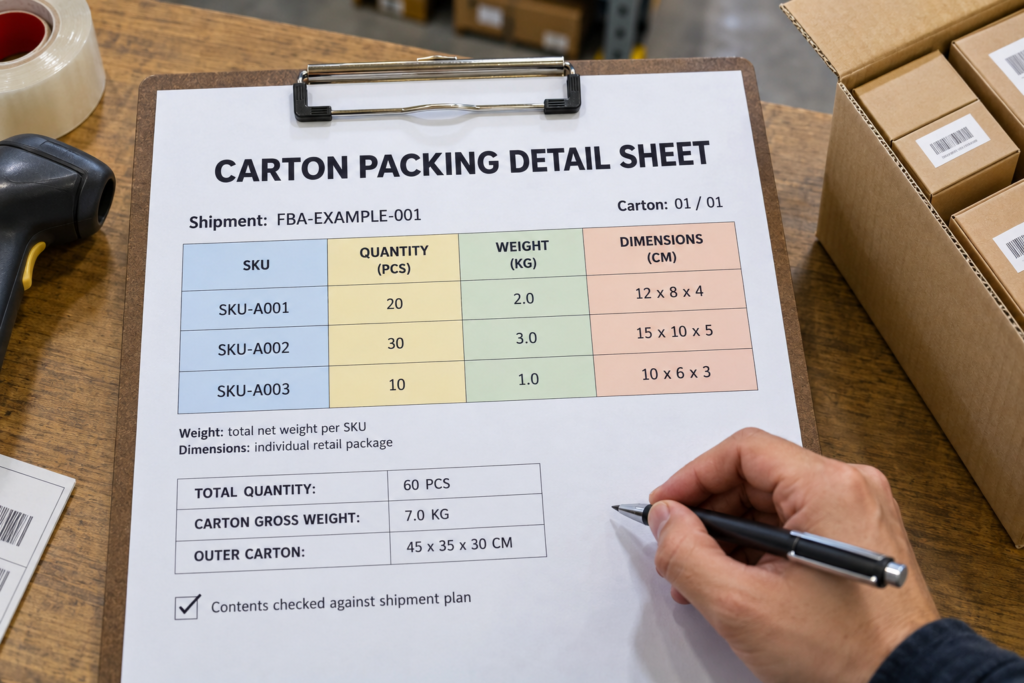
Create a carton packing detail sheet and send it to the supplier before production finishes:
| Carton ID | SKU | Qty per Carton | Weight | Dimensions | Box Content Entered? |
| CTN-001 | FR-100-BLK | 50 pcs | 18 lbs | 20×14×12 in | Yes |
| CTN-002 | FR-100-BLK | 50 pcs | 18 lbs | 20×14×12 in | Yes |
| CTN-003 | FR-200-OLV | 40 pcs | 22 lbs | 22×16×14 in | Yes |
Real shipments use customer-confirmed data. The table above is illustrative.
Official source:FBA shipping and routing requirements
Two distinct labels go on each carton:
The standard label size is 3 1/3 × 4 inches (8.4 × 10.2 cm). Thermal printers can print directly on 4 × 6 inch labels-.
Placement rules are strict. Put both labels on a flat surface of the box so the barcodes do not fold over edges or corners. Do not place either label on a seam, opening, or flap that will be cut when the box is opened. Keep both labels uncovered and scannable. Do not cover them with tape. Leave at least 1.25 inches between the label edge and any box edge.
If you ship multiple case packs inside one larger carton, apply the FBA box ID label to the outer carton only. The individual case packs inside do not need their own box ID labels.
Official source:FBA box label printing guide
Amazon’s policy states that the shipment details listed in your shipping plan must match the shipment sent to the fulfillment center. The only reliable way to guarantee this is a written sign-off before the carrier takes the cartons. That sign-off should confirm Amazon FBA labeling requirements, Amazon FBA packaging requirements, and every FBA carton label and FBA box label applied to the shipment.
The sign-off flow is straightforward:
Seller confirms → Marketplace, SKU list, FNSKU labels or manufacturer barcode decision, shipment plan created in Seller Central, box content information entered.
Supplier prepares → FNSKU labeling, boxing, packing lists, and export cartons completed according to the confirmed files, with each FBA carton label printed from the seller’s shipment workflow.
Pre-dispatch review → Photos of finished cartons with labels applied, packing list matching the shipment plan, box weight and dimensions recorded. Verify that no FBA box label sits on a seam, corner, or flap.
Carrier handoff → Tracking numbers issued, supplier retains packing photos and the signed packing list for traceability.
A supplier with FBA prep experience will recognize this flow. Survfire provides FNSKU labeling, boxing, packing lists, and export cartons for outdoor products purchased through their factory. Standard bulk order production runs 7–15 working days, with a 300 pcs order serving as a specific reference point for 7 working days, not a blanket commitment for every order. Custom samples ship within 7 working days. Shipping time is calculated separately from production. Enquiries are answered within 12 hours. Survfire operates an ISO 9001 certified factory (certificate no. UQ251970R1), though this certification is not an Amazon authorization or endorsement.
The key principle: no carton leaves without a signed checklist. If the seller has not confirmed the barcode type, the supplier should not print labels. If the box content information is not entered, the cartons are not ready. Labeling and packaging decisions belong in that checklist, not in a verbal instruction on the day the truck arrives.
Official source:FBA shipment and routing requirements
Amazon FBA labeling requirements and Amazon FBA packaging requirements are the seller’s responsibility, but they become the supplier’s execution task once the shipment plan is finalized. The six checks above are not bureaucratic steps. They are the difference between inventory entering the fulfillment center’s sellable pool or sitting in a receiving exception queue.
Before you place a production order for FBA-bound inventory, confirm four things with your supplier:
If the answer to any of these is unclear, resolve it before production starts, not after the cartons are sealed.
Amazon rules change. Verify your destination marketplace, product category, and current shipment requirements in Seller Central before every shipment. Platform requirements and destination-country legal requirements are separate checks. Do not treat one as covering the other.
Q: What is the difference between an item label and a carton label?
A: An item label identifies an individual sellable unit. A carton label identifies the box in the shipment. Check both levels when preparing an FBA shipment.
Q: Can a packing list replace an FBA box ID label?
A: No. A packing list describes the contents; it does not replace the box identification required by the shipment workflow.
Q: Does every product need a polybag?
A: No. Preparation depends on the product and its packaging. Check the applicable prep instructions instead of adding the same packaging to every item.
Q: What does Survfire need to review packaging for my order?
A: Send the product specification, quantity, packaging artwork, label files, and destination requirements. Survfire replies to inquiries within 12 hours.
ISO 9001 certified · Direct factory pricing · Custom OEM available